
Apple is making its paid ecosystem more expensive again. Within the same week, the company raised the price of Apple Music and the Apple One bundle in the United States and other countries, and then followed with iCloud+ increases across several markets — the latest step in a steady climb for services that customers once considered locked-in at a flat rate (Engadget). The moves land just days after Apple lifted prices on MacBooks, iPads, and other hardware in the US, a response to an industry-wide memory shortage that is also reshaping what buyers pay for phones abroad (9to5mac).
The most concrete changes are in music. An Individual Apple Music plan has gone from $11 a month to $12, the Family plan from $17 to $20, and the Student plan from $6 to $7, according to Apple’s updated pricing page as reported by Engadget. The Apple One bundle tells a more layered story: the Individual tier holds at $20 a month, but the Family plan rises by $2 to $28, and the Premium plan also climbs $2 to $40. Premium remains the company’s top consumer stack, bundling Music, TV+, Arcade, News+, Fitness+, and a large iCloud allocation. Apple last raised Music pricing in 2022, when subscription costs similarly jumped by a dollar or more, so the new round ends a four-year freeze on that service.
iCloud+ did not escape the round. Apple has announced price increases for the storage add-on across several markets, and it now lists Laos, Mauritius, and the Republic of Congo as regions where iCloud+ upgrades “are charged in U.S. dollars (USD) with prices that may be slightly higher due to the Value Added Tax (VAT),” 9to5mac reported. The storage service is the quiet backbone of the Apple experience — backups, photos, device syncing, and shared family libraries all lean on it — which makes any increase feel less optional than a discretionary add-on.
Apple is pointing at licensing costs to justify the Music and One moves. “Apple is increasing the price of a subscription across its Individual, Student and Family plans as the result of rising licensing costs,” Engadget wrote, citing Music Business Worldwide. Record labels have been pressing streaming services for higher per-play payouts for years, and Apple’s phrasing echoes similar hikes from Spotify and others who blame the same upstream pressure. What is different this time is the stacking: a services increase arriving on top of hardware increases, rather than as a standalone adjustment.
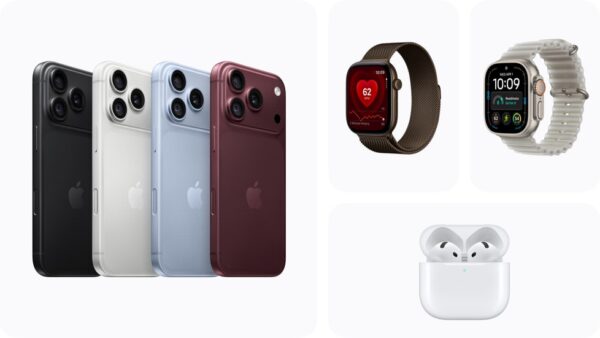
The hardware side explains part of the timing. Apple raised prices for MacBooks, iPads, and other products in the US in response to the ongoing memory shortage, and it increased iPhone prices in Japan by as much as 11%, 9to5mac noted. Memory has been one of the tightest components in the supply chain, and analysts have warned that the squeeze would ripple into consumer pricing well beyond PCs. When the devices people buy get more expensive and the subscriptions that keep them useful also rise, the total cost of staying in the Apple ecosystem moves noticeably upward in a single billing cycle.
None of this is unusual for the subscription era. Streaming video, music, and productivity bundles have all drifted upward as companies chase profitability after years of subsidized growth. Apple’s services division is its highest-margin business and a strategic counterweight to slower hardware upgrade cycles, so protecting that revenue matters more as iPhone sales flatten in mature markets. The practical effect for households is cumulative: a Family plan, a storage tier, and a hardware refresh can each tick up within weeks of one another.
For subscribers, the levers are limited but real. Apple One remains a way to bundle services at a discount versus buying them separately, and the Individual tier’s freeze means lighter users are shielded for now. Anyone on a yearly plan may not feel the change until renewal, while monthly subscribers will see it sooner. The clearest signal in this week’s moves is that “set and forget” pricing is over: even Apple’s most embedded services are now subject to the same inflation math as everything else.
The broader question is how much elasticity Apple’s base still has. Past price increases on Music and TV+ drew complaints but little mass cancellation, partly because the increases were small and the switching costs high. iCloud+ is stickier still — leaving means migrating years of photos and device backups. That lock-in is precisely why a storage price bump is low-risk for Apple and hard to dodge for customers, even as the total bill climbs.