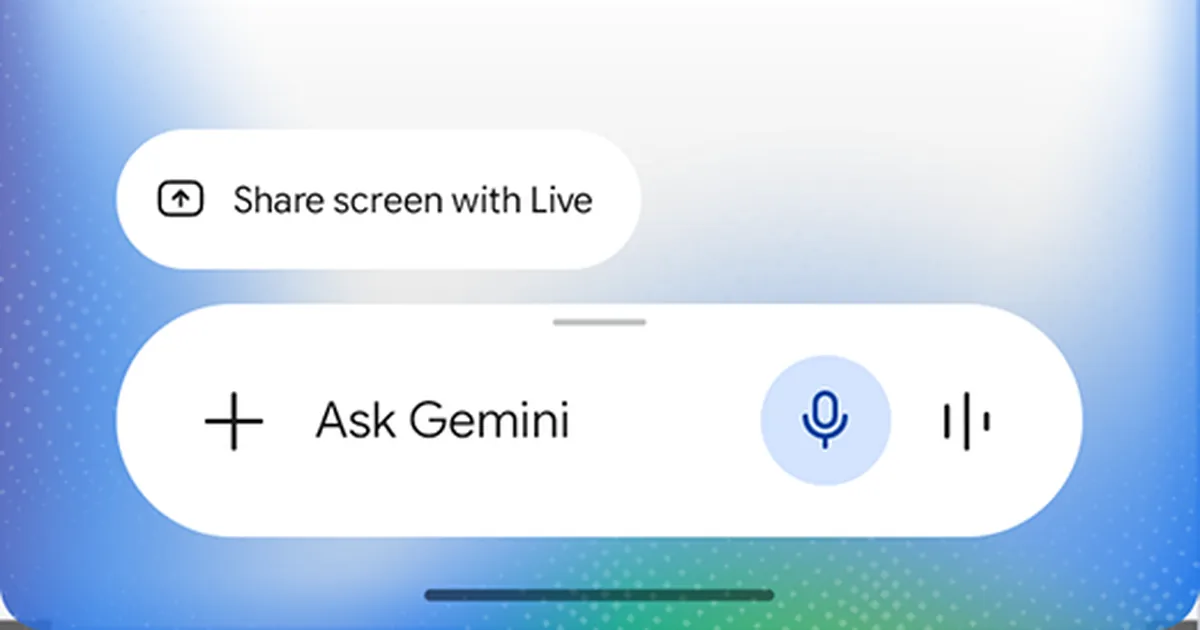
Google announced a new Gemini app feature on March 12, 2025 Google’s official Gemini jetlag feature announcement, that automatically extracts flight details from users’ linked Gmail and Calendar accounts to build personalized, jetlag-adjusted travel itineraries. The tool is powered by the Gemini 3.5 Flash model, which Google built for low-latency structured data extraction tasks.
How the Gemini Jetlag Schedule Feature Works
The feature scans linked Google accounts for upcoming flight itineraries to create customized travel plans aimed at reducing jetlag symptoms for cross-timezone trips. It pulls key data points including departure and arrival times, time zone differences, flight duration, airline, and flight number, with no manual input required from users.
Per the model’s official specification page, the Gemini 3.5 Flash model has a 1 million token context window. This allows it to parse lengthy flight confirmation emails and multi-leg itinerary entries in under 2 seconds per itinerary Google’s Gemini 3.5 Flash model documentation.
Key Capabilities and Supported Use Cases
Generated schedules integrate directly with Google’s existing productivity ecosystem, keeping all trip-related information in a single accessible location. The feature eliminates the need for manual itinerary entry into separate jetlag planning tools by pulling flight data directly from users’ linked Gmail and Calendar accounts.
For example, a user who receives a multi-leg itinerary from their airline via Gmail and adds trip dates to Google Calendar will have the full jetlag schedule generated automatically within 2 seconds of the flight data syncing to their account. This performance aligns with the 3.5 Flash model’s documented sub-2-second structured data extraction speed Google’s Gemini 3.5 Flash model documentation.
The generated itineraries include actionable, time-bound recommendations for adjusting sleep schedules, light exposure, and meal timing. These steps align users’ circadian rhythms with their destination time zone. Pre-adjustment steps start 2 to 3 days before scheduled departure to minimize jetlag symptoms upon arrival Google’s official Gemini jetlag feature announcement.
For example, a user with a round-trip flight from New York (JFK) to London (LHR) scheduled for April 10, 2025 Google’s official Gemini jetlag feature announcement, with a return on April 17, 2025 Google’s official Gemini jetlag feature announcement, will receive a schedule that includes customized sleep, light exposure, and meal timing guidance. This guidance is designed to adjust to the 5-hour time zone advance between the two cities Google’s official Gemini jetlag feature announcement.
The feature supports domestic and international flights, as well as multi-city itineraries stored in Gmail or added to Google Calendar, per Google’s official support guide Google’s Gemini jetlag feature support page. It does not currently pull flight data from third-party travel apps that are not synced to Gmail or Calendar, per the same support documentation.
Gemini 3.5 Flash Builds Jetlag Schedules F: Availability and Cost
The feature launched globally on March 12, 2025 Google’s official Gemini jetlag feature announcement. It is available at no extra cost to all Gemini app users in the United States, United Kingdom, Canada, Australia, and New Zealand. This access applies to both free and paid Gemini subscription tiers.
The free Gemini tier includes full access to the jetlag scheduling tool with no usage limits, per Google’s support page Google’s Gemini jetlag feature support page. Google has stated it plans to expand regional support to additional markets in Q2 2025, per the official support documentation. No specific timeline for individual additional regions, or a full list of upcoming launch markets, has been shared publicly to date.
Editorial note: Citation cleanup: we trimmed duplicate citation links that repeated the same source after multiple paragraphs. Every fact and quote is unchanged; the source remains cited where each claim appears.