Per an official Xbox Wire reveal, upcoming survival horror title Ghost at Dawn deliberately subverts over-the-top horror exploitation tropes to center empathy and player-driven moral choice as its core design pillars. Xbox Wire
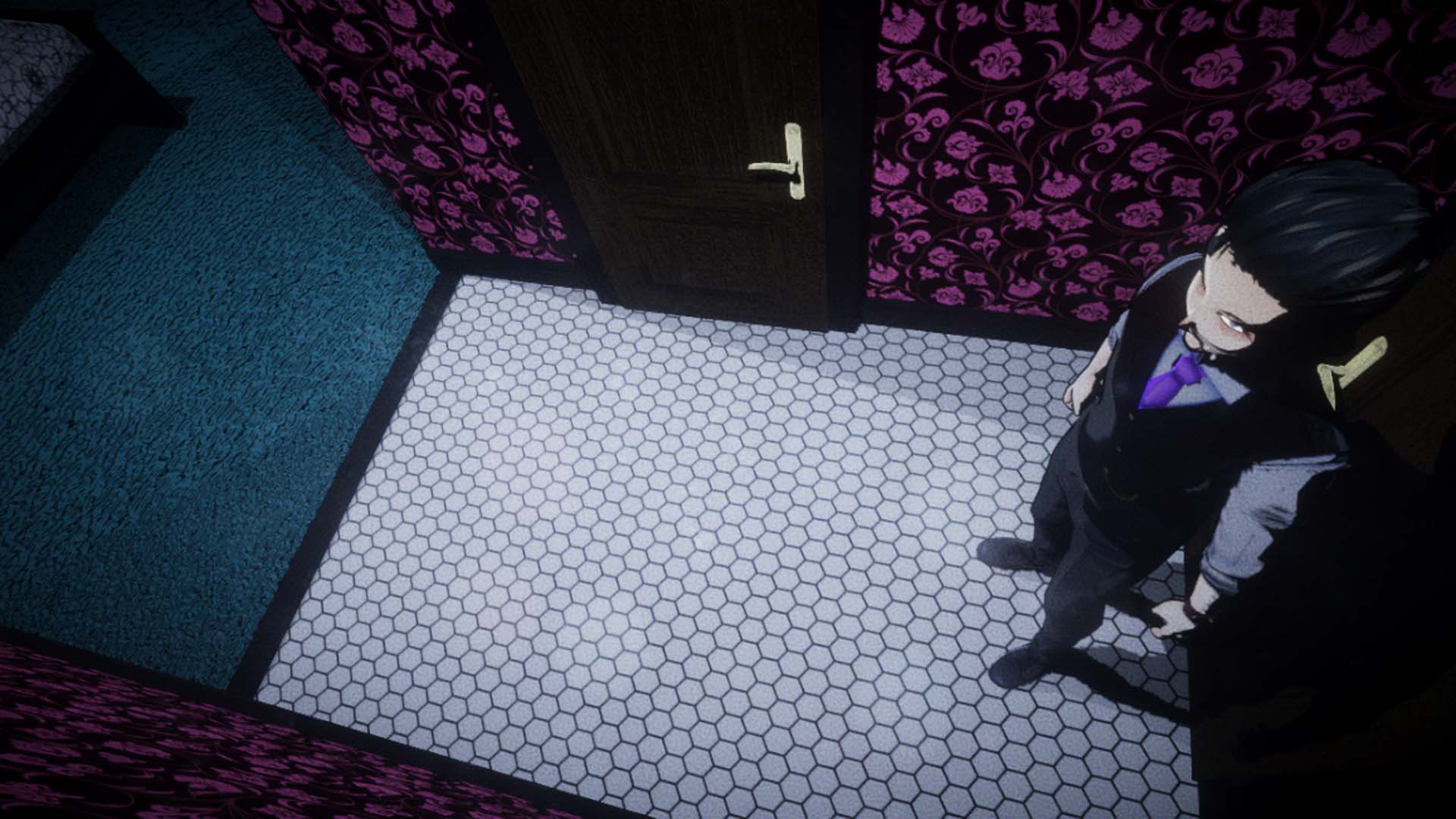
Set in a 1947 Seattle film noir hotel infested with corpses and supernatural threats, the game follows Japanese American private detective Benjiro Ohara, who uses the alias Ben O’Hara to navigate a city hostile to his ethnicity.
Specifically, the inciting case centers on missing Japanese woman Emi Kosuke, whose undocumented immigration status leads local police and every other private investigator in the city to dismiss her disappearance as unworthy of investigation; only her sister Yuhiko seeks help, and Ben is the only Japanese American private detective in Seattle willing to take the job, despite his own unmanaged shellshock from service overseas that leaves him reliant on whisky and cigarettes to cope with past trauma. Xbox Wire
Ghost at Dawn Subverts Horror Tropes to Center Empathy
The game’s ESRB rating reads like a rap sheet, signaling the gory, violent content typical of mainstream survival horror titles, but the official Xbox Wire reveal explicitly frames empathy as the game’s core thematic throughline, not shock value. Xbox Wire The entire narrative is anchored to the Pines Hotel, a seedy 1947 Seattle film noir location littered with corpses, but the inciting incident is not a generic supernatural outbreak: it is the disappearance of Emi Kosuke, a Japanese woman whose undocumented immigration status leads local police and every other private investigator in the city to dismiss her case as unworthy of investigation.
Voluntary Exit Is the Only Ending Mechanic
Unlike nearly every other survival horror title on the market, which frame survival to a fixed final cutscene as the core player objective, Ghost at Dawn has no mandatory “win” state. Players can choose to have Ben leave the Pines Hotel at any point, and that voluntary exit is the only way to trigger an ending cutscene, with the specific narrative outcome determined entirely by the clues players have uncovered during their investigation. Xbox Wire
This design choice is not a gimmick: it directly ties the gameplay loop to the game’s empathy theme. The only way to “succeed” is to choose to persist in advocating for a person the rest of the world has written off, rather than fighting supernatural threats for a generic, self-serving survival goal. There is no forced victory condition; the player’s choice to keep going is the entire narrative engine, turning every step deeper into the hotel into an active moral decision rather than a required gameplay step.
Permadeath Raises Stakes Beyond Typical Survival Horror
The game also subverts standard survival horror difficulty mechanics with a strict permadeath system: Ben only has a limited number of lives, and once those lives are exhausted, the game erases the entire save file permanently, forcing players to restart their investigation from scratch with no carryover progress. Xbox Wire
Unlike standard permadeath systems that frame failure as a skill-based retry, this implementation mirrors the real-world stakes of Ben’s choice: if he (and by extension the player) gives up, there is no second chance for Emi, just as there is no institutional safety net for marginalized people in the game’s 1947 setting. The permadeath system forces players to confront the tangible cost of walking away from someone the system has abandoned, rather than framing failure as a low-stakes inconvenience.
Developed by Blue and Red Games, Ghost at Dawn will launch as an Xbox Play Anywhere title on June 24, 2026, with wishlists currently open on the Xbox Store for players to track ahead of release. Xbox Wire
Bottom line: Ghost at Dawn is a rare survival horror title that uses its genre mechanics to serve a narrative about systemic neglect and empathy, rather than using marginalized trauma as cheap shock value, and its player-driven choice and permadeath systems make that theme feel tangible rather than preachy; players seeking story-driven horror with meaningful mechanical theming should add it to their wishlists ahead of its June 24 Xbox Play Anywhere launch.
Editorial note: Citation cleanup: we trimmed duplicate citation links that repeated the same source after multiple paragraphs. Every fact and quote is unchanged; the source remains cited where each claim appears.