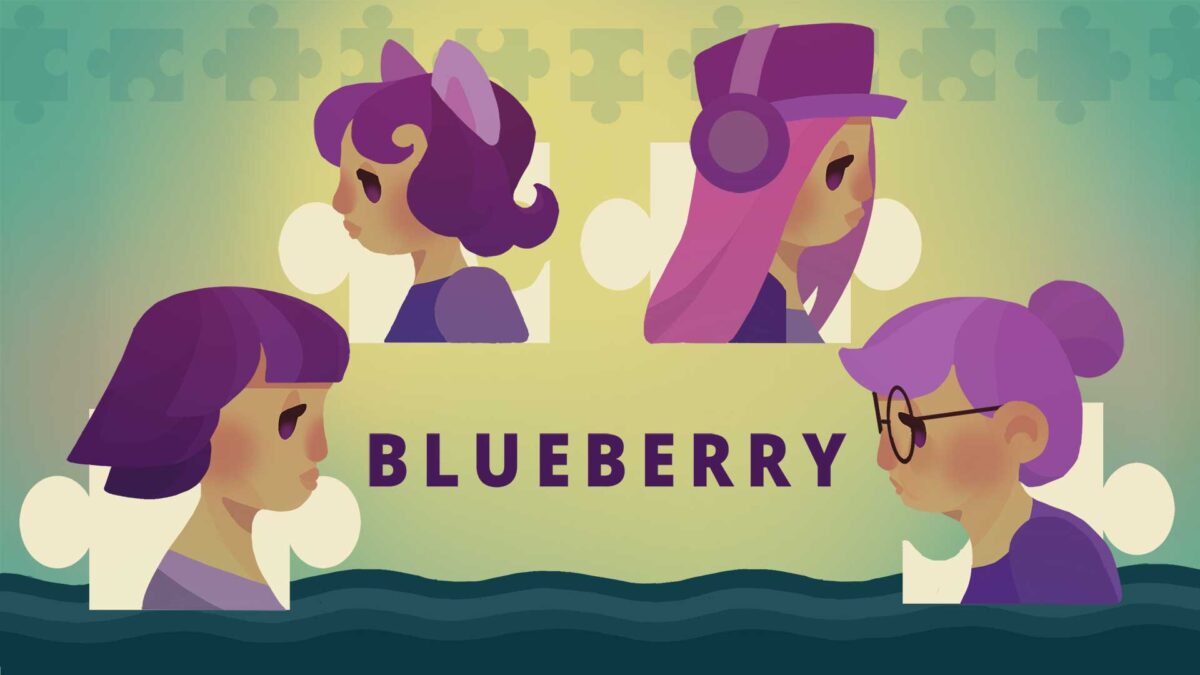
Most games treat memory as an inventory: you pick something up, it stays picked up, and it means the same thing every time you look at it. Blueberry, the story-driven puzzle platformer from developer MELLOW Games (published by Hidden Trap), builds its entire design around the opposite idea — that a memory is closer to a story you keep retelling yourself, and that trauma is what happens when one of those stories refuses to stay in the past. The studio laid out that thinking in a developer deep-dive on Xbox Wire published July 17, 2026, timed to the game’s arrival on Xbox after its May 28 debut on Steam.
The premise is deceptively gentle. You open as an elderly woman, estranged from her son Emilio, asking how a life drifts that far off course. From there the game rewinds into a childhood wonderland of talking toys and platforming — until it becomes clear the child at the center, Blueberry, is quietly absorbing the strain of two overwhelmed parents. That framing device, an old woman walking back down memory lane, is doing real mechanical work: it lets the game revisit the same events at different ages and show you how their meaning shifts.
Image: Steam / MELLOW Games
The blues bar, and what it costs to keep it low
The load-bearing mechanic is what game director Mel Taylor calls the “blues bar.” It reads like a health bar turned inside out: instead of keeping it topped up, your job is to keep it as low as possible. Let it climb and the world literally desaturates — the storybook color drains toward blue until Blueberry’s surroundings match her mood.
What makes it more than a mood meter is that other characters get blues bars too. Those turn into “word battles,” and the choice they force is the uncomfortable one families actually run on: do you spend your own composure to bring a parent’s spiraling emotions back down? Keep doing it and you stabilize the room while quietly emptying yourself. It is a tidy piece of systems design because it refuses to give you a clean win — the resource you manage other people with is the same one you need for yourself. Anyone who grew up as the designated peacekeeper in a chaotic household will recognize the math immediately.
Memories that rewrite themselves
The other half of the game is a literal jigsaw. Each memory scene is a minigame depicting a formative moment, and clearing one hands you a puzzle piece. The catch: the picture starts full of gaps you can only fill by going back to old memories later — and those memories don’t replay the same way. As Blueberry ages, revisiting a scene surfaces details she couldn’t process the first time.
That is the design translating a specific, and genuinely contested, idea about how recollection works. The developer’s framing — that memories aren’t static files but get reshaped every time they’re recalled — lines up with the reconsolidation model many memory researchers describe, though it’s presented here as the game’s operating theory rather than settled fact. Blueberry pushes it a step further with trauma: when she recovers a painful memory, she doesn’t just watch it, she reverts to the age she was when it happened. Find the memory of her parents’ pre-divorce fight and the teenager becomes a small child again mid-scene. It’s the closest a platformer has come to modeling a flashback — the sense that a traumatic memory isn’t remembered so much as re-lived, with the body reacting as if it’s happening now.
Bringing psychologists into the writers’ room
None of this would land if it read as amateur pop-psychology, so MELLOW Games brought in three psychologists working together as Behind The Screens, a consultancy that advises studios specifically on the mental-health content of their games. Taylor credits them with refining how depression, trauma, and addiction are depicted, and with shaping the game’s content note — a system that lets players decide up front how much they want to be warned about specific triggers rather than being blindsided or, at the other extreme, spoiled.
That content-note approach is worth flagging for other developers watching. Trigger warnings in games too often arrive as a single blunt splash screen. Handing players a dial instead — how much do you want to know before you go in — treats informed consent as a setting rather than a disclaimer, and it fits a game whose whole subject is control over one’s own past.
When it works, and who it isn’t for
It would be dishonest to pitch Blueberry as therapy. Taylor is upfront that the game grew out of a difficult personal history, and the stated goals are modest and worth taking at face value: help people who’ve lived through this feel less alone, and give people who haven’t a felt sense of what depression and trauma actually do. Those are emotional aims, not clinical ones, and the game’s own framing leaves room for the harder ending — you can help Blueberry reassemble herself, or you may not be able to, exactly as it goes in life.
There are real tradeoffs baked into that ambition. A puzzle platformer built to sit with grief is not going to satisfy players who want tight, fail-and-retry challenge; the mechanics serve the mood, not the other way around. The subject matter is heavy enough that the content note exists for a reason, and some players will bounce off it regardless of how carefully it’s handled. And “your choices shape whether she heals” is a promise games make often and deliver on unevenly — how much the branching actually matters is the thing worth scrutinizing once you’re past the premise.
What’s notable is the attempt. Plenty of games gesture at mental health through a somber color palette and a sad-piano score. Blueberry instead asks what depression and traumatic memory would look like if they were the rules of play — an inverted health bar, a puzzle you can only complete by going back, a girl who gets younger when the past catches her. It’s now available on Xbox and on Steam, and it’s one of the more genuinely thought-through swings at the subject the indie space has taken this year.