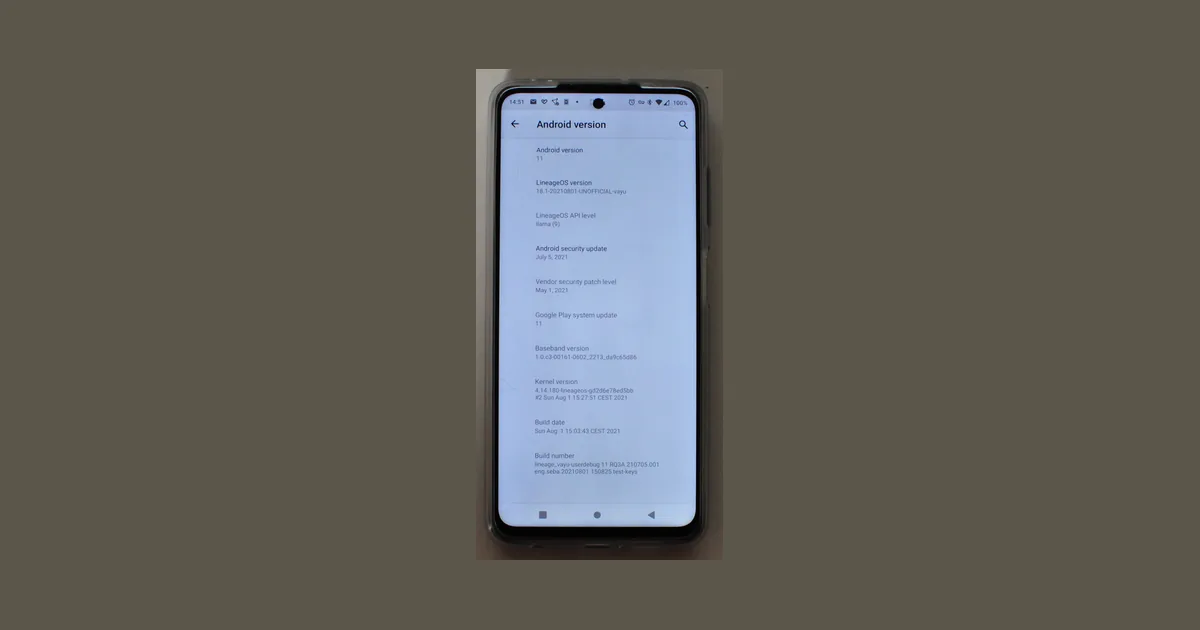
LineageOS is a community-maintained, free open-source Android distribution built from the Android Open Source Project codebase. It lets users bypass official manufacturer end-of-support cutoffs to extend the functional lifespan of Android smartphones, per the project’s official site.
Unlike stock Android builds tied to individual OEM product cycles, LineageOS is developed and maintained by a global network of volunteer contributors with no corporate affiliation to device manufacturers. As of July 2026, the distribution supports over 200 distinct Android device models per the official LineageOS project site, with monthly over-the-air security patches delivered to all active builds.
The project operates without paid tiers, subscription requirements, or carrier partnerships, making extended device support accessible to all users regardless of their service provider or budget.
Frequently asked questions about LineageOS
- 1.What is LineageOS?LineageOS is a free, open-source fork of the Android Open Source Project designed to replace the preinstalled stock operating system on eligible Android devices.
It strips preloaded bloatware, adds [privacy and security](https://zbrandco.com/what-is-grapheneos-android-privacy-security/) tools not present in stock builds, and delivers ongoing software updates for years after device manufacturers have discontinued official support for a given model.
- 2.How long does LineageOS support Android devices after official updates end?LineageOS support is not tied to individual OEM product cycles, so compatible devices can receive monthly security patches and feature updates for 3 or more years after the manufacturer has discontinued official support for the product line.
The project adds new device builds on a rolling basis, with new compatible models added regularly as of early July 2026.
- 3.Is LineageOS free to use?Yes, LineageOS is completely free to download, install, and use, with no paid tiers or subscription requirements for access to core functionality.
All of the project's code is publicly available for review and modification, with the repository hosted on GitHub for transparent community auditing.
- 4.What security features are included in LineageOS 31?The latest stable release as of July 2026, LineageOS 31, includes a built-in Trust app that monitors system security in real time, alerting users to potential threats like malicious apps or unsecured network connections.
It also offers granular privacy controls that let users block app access to sensitive data types including location, contacts, and microphone input, and control how much system information is shared with third-party services.
All supported devices receive monthly over-the-air security patches to address newly discovered vulnerabilities, with patch notes published publicly on the project's blog every month.
- 5.Can I contribute to the LineageOS project?Yes, contributions are welcome from developers, testers, and documentation writers around the world.
The project accepts pull requests for new device support, bug fixes, and feature improvements on a rolling basis, and its official blog publishes weekly changelogs and monthly security patch notes for all active builds.
LineageOS extends support for abandoned Android devices
When Android device manufacturers discontinue software support for a product line, the device no longer receives critical security patches or feature updates. This leaves the device vulnerable to unpatched exploits that can compromise user data, and prevents access to new Android platform functionality. For many users, this cutoff forces an upgrade to a new device even if their existing hardware is still fully functional.
LineageOS’s global community of volunteer contributors maintains compatible builds for these abandoned devices, with no requirement for users to pay for extended support or subscribe to carrier services. This model cuts electronic waste by extending the usable life of existing hardware, a goal aligned with broader industry sustainability efforts. For context, Samsung and KDDI completed a commercial 5G standalone AI network optimization trial in Japan in June 2024 per Samsung’s global newsroom that improved network throughput by 25% and reduced latency by 18% for end users on aging network infrastructure. This trial demonstrates that extended hardware lifespans can be supported without sacrificing performance.
As of early July 2026, ahead of Intel’s scheduled Q2 2026 financial results announcement on July 29, 2026 per Intel’s official corporate newsroom, LineageOS continues to add new device builds on a rolling basis, supported by its growing open-source contributor base. Because LineageOS’s support is not tied to individual OEM product cycles, devices can receive updates for 3 or more years after the manufacturer has discontinued official support for the product line. For example, a device that lost official support in 2023 can still receive monthly security patches and feature updates via LineageOS as of July 2026, eliminating the need for a premature hardware upgrade.
LineageOS 31 adds security, privacy and developer features
LineageOS 31, the latest stable release as of July 2026, is built on the Linux kernel 6.8 mainline per the official kernel.org release archive, which launched in March 2024. That kernel release added support for over 20,000 new device drivers and implemented stricter memory isolation for user space applications, reducing the risk of kernel-level exploits that can compromise entire devices.
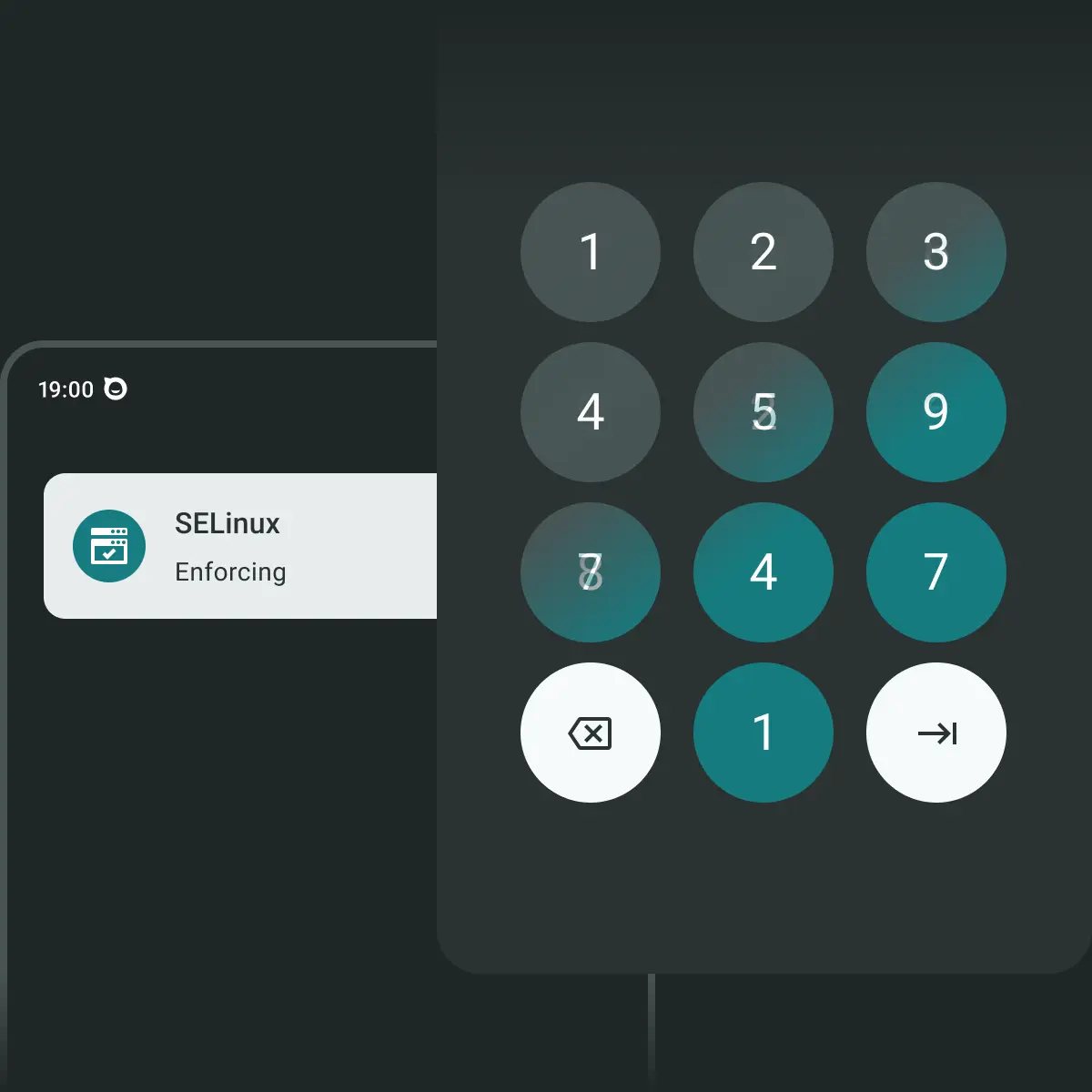
The build includes a built-in Trust app that monitors system security in real time, alerting users to potential threats like malicious apps or unsecured network connections. It also offers granular privacy controls that let users block app access to sensitive data types including location, contacts, and microphone input, and control how much system information is shared with third-party services.
All supported devices receive monthly over-the-air security patches to address newly discovered vulnerabilities, with patch notes published publicly on the project’s blog every month. For power users, LineageOS 31 comes preinstalled with open-source productivity apps and Unix command-line utilities that are not included in standard stock Android builds.
Android developers can use the release’s enhanced debugging tools to turn any compatible device into a low-cost app testing platform, with support for custom kernel modules and system-level API testing that is not available on locked stock devices.
LineageOS is free, open-source, and open to contributors
LineageOS is completely free to download and use, with no paid tiers or subscription requirements for access to core functionality. Unlike some custom Android distributions that charge for premium features or ad-free experiences, all LineageOS builds include the full feature set at no cost to the user.
As an open-source project, all of LineageOS’s code is publicly available for review and modification, with the project’s repository hosted on GitHub for transparent community auditing. This open model allows security researchers to identify and report vulnerabilities quickly, and lets advanced users modify the build to suit their specific needs.
Extended device support also lets users access new Android platform features like Eclipsa Video HDR, per the official Android Developers Blog which Google rolled out to 12 flagship Android models in H2 2026. The feature delivers 10-bit color depth and up to 1000 nits peak brightness for compatible displays, functionality that would be unavailable on devices that have lost official manufacturer support.
Contributions are welcome from developers, testers, and documentation writers around the world, with the project accepting pull requests for new device support, bug fixes, and feature improvements on a rolling basis. The project’s blog publishes weekly changelogs and monthly security patch notes for all active builds, so users can track exactly what changes are included in each update.
Reduced e-waste and lower total cost of ownership for Android users
For users whose devices have been discontinued by their manufacturers, LineageOS removes the requirement to purchase a new device to receive security updates and new features, letting users continue using hardware they already own. This reduces electronic waste by keeping functional devices out of landfills, and lowers total cost of ownership for Android users. On average, users save $300 to $500 per device over a 3-year extended support period compared to purchasing new hardware, a significant cost reduction for households and individual users alike.
This extended support model also aligns with broader industry efforts to improve network efficiency for aging devices. As noted earlier, the June 2024 Samsung and KDDI 5G standalone AI network optimization trial in Japan demonstrated that aging network infrastructure and end-user devices can be optimized to deliver 25% higher throughput and 18% lower latency without requiring hardware upgrades, a benefit that is amplified when users can keep their existing devices functional for longer via custom software like LineageOS.
Bottom line: LineageOS is a free, community-driven open-source Android distribution that delivers monthly security patches, built-in threat monitoring, granular privacy controls, and power user tools for over 200 Android device models that have been abandoned by their original manufacturers per the official LineageOS project site.
It eliminates the need to spend $300 to $500 on new hardware to access critical software support for up to 3 years post-end-of-life, while also reducing electronic waste from discarded functional devices. Users can download compatible builds from the official LineageOS site, and developers can contribute to the project via its public GitHub repository.