
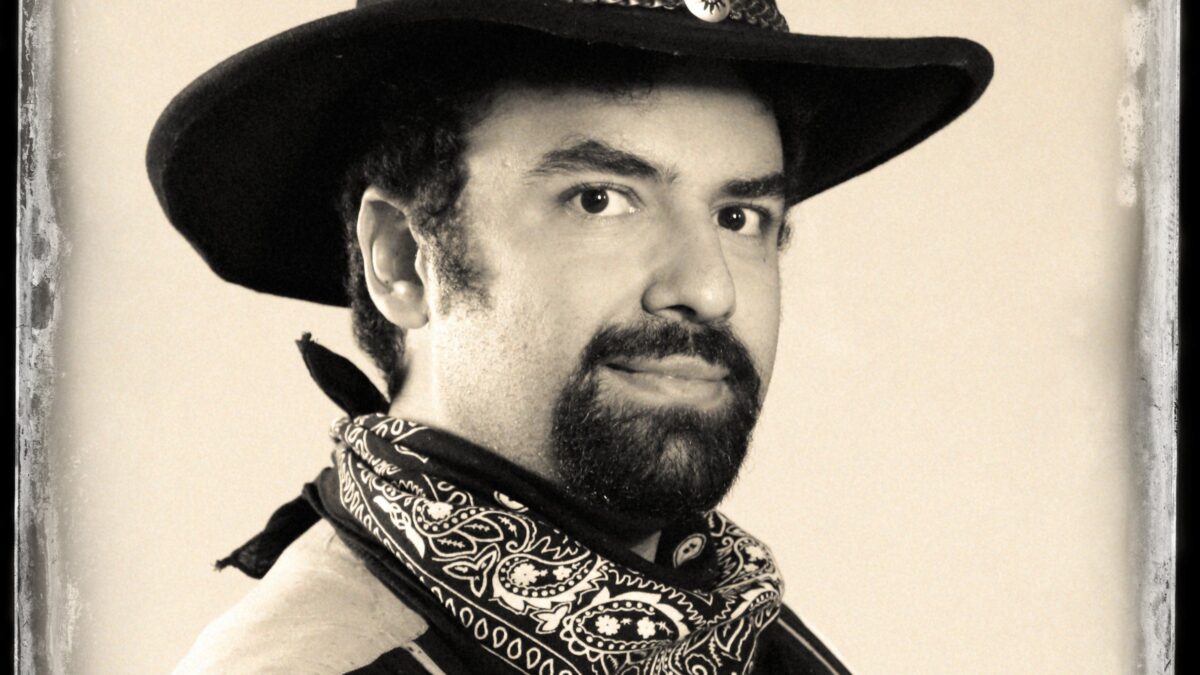
Mohammad-Ali A’râbi did not set out to become a Docker Captain. In 2015 he was a backend engineer at Cafe Bazaar, a Tehran tech company, losing a week to “dependency hell” while trying to spin up a Django project. A colleague’s offhand suggestion — “try Docker, we use it in CI” — set off a chain that led to a best-devops-book finalist, a Freiburg meetup scene, and a role as one of Docker’s community Captains. His story, told in Docker’s “From the Captain’s Chair” series, is a useful reminder that most lasting open-source careers start with someone simply writing down what they learned.
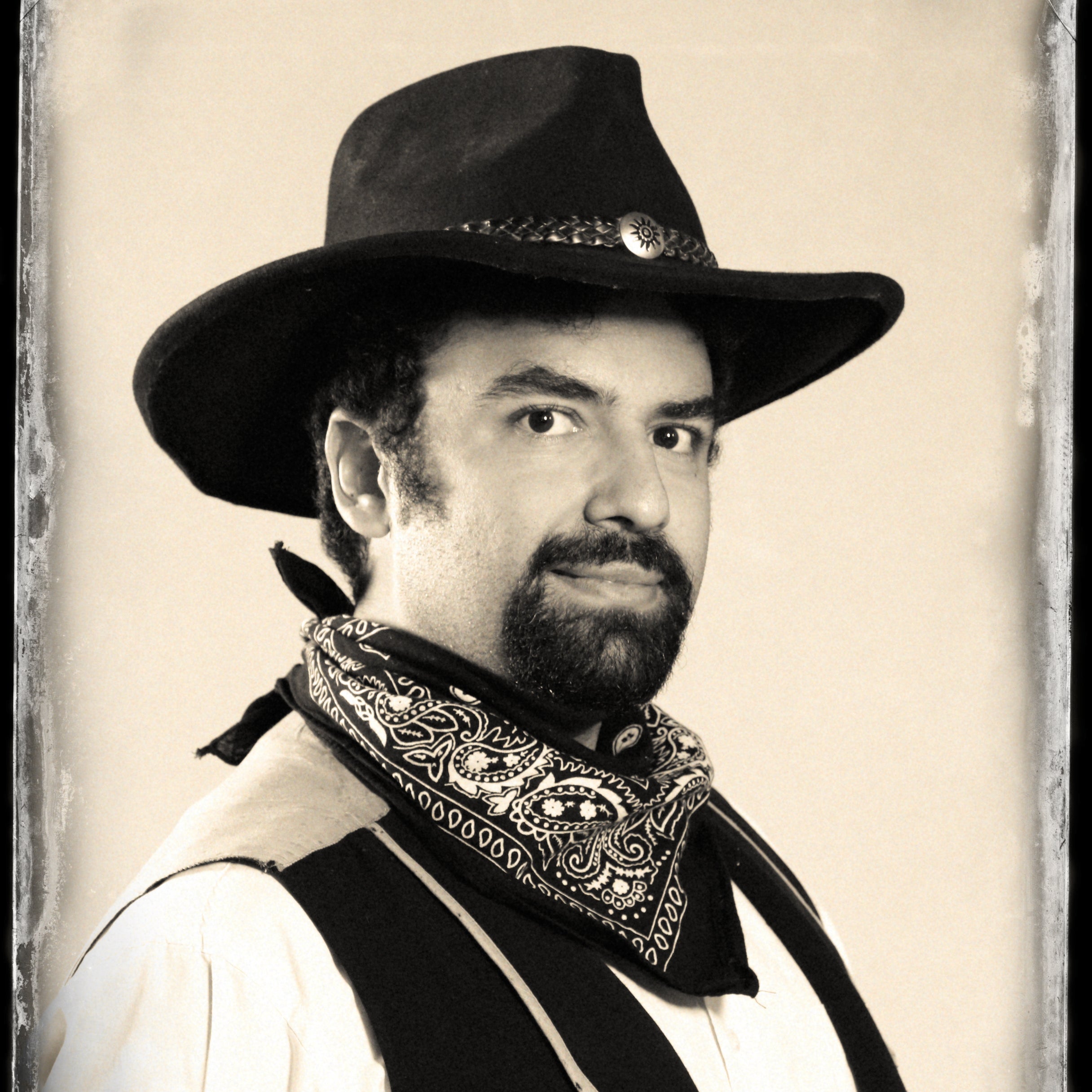
Image: Docker
The dependency-hell origin
When A’râbi first heard of Docker in 2015, the project was two years old and he had never used it. He describes disappearing for a week to learn it, then suddenly building CI pipelines for other teams at Cafe Bazaar. The appeal was immediate and practical: containers removed the “it works on my machine” gap that had been eating his time. That hands-on frustration-to-fix arc is the throughline of his entire community career — he keeps returning to problems that annoyed him, then documents the solution so the next person does not lose a week to them.
Writing as a force multiplier
After moving to Freiburg, Germany in 2019 and joining a smaller company, A’râbi found himself answering the same git and Docker questions from colleagues. His first instinct was to write the answers on a Medium blog “for my own later reference.” The posts turned out to be useful well beyond him. At one point he was publishing a git post every week. The habit did two things at once: it made him a better explainer, and it built a public reputation that later opened doors he did not expect. The lesson for anyone in open source is unfashionable but reliable — consistent, boring documentation outperages occasional brilliance.
Building a community from one attendee
The defining chapter is the Freiburg meetup. When the pandemic hit, A’râbi started a local Docker meetup group because none existed. The first event, in November 2022, drew exactly one outside attendee — someone who drove from Strasbourg, France. Rather than treat that as failure, he kept going: a second meetup became a watching party for Docker’s Community All Hands, and by then he had published on Docker’s blog and spoken at an event. The throughline is stubborn consistency: small, regular gatherings compound into a real community, and the people who show up early are often the ones who stay.
His route into the Captain program was similarly organic. By the time he applied in early 2023, many people at Docker already knew his name from the blog and talks. He had also been named best Docker Community Leader. The title of Docker Captain — awarded to community experts who share their knowledge — formalized a role he had already grown into by showing up.
From meetups to author and speaker
A’râbi is the author of “Docker and Kubernetes Security,” a book that was a Best DevOps Book of the Year finalist in 2025. He is also a software engineer, public speaker, and community builder with a BSc in Mathematics and an MSc in Computer Science, originally from Iran. The combination is not accidental: the same explanatory discipline that powered his weekly blog posts became a book, and the meetup stage became conference talks. Security is a natural focus for someone whose entry point was reproducible environments — containers are, among other things, a security boundary, and teaching teams to use them correctly is where hobby and profession meet.
What comes next
Asked about his goals for the year ahead, A’râbi says he wants to “double down on education and storytelling.” That is a telling answer from a Captain: the role is less about being the smartest person in the room and more about making the room smarter. Docker’s Captain program exists precisely for that — surfacing practitioners who turn private troubleshooting into shared public knowledge. His trajectory, from a single frustrated engineer to a recognized community leader, is the program working as intended.
Why this profile matters for open source
Stories like A’râbi’s are easy to dismiss as feel-good PR, but they describe the actual machinery of open source: a frustrated beginner documents a fix, the documentation attracts a community, the community earns recognition, and the recognition funds more teaching. None of it required a viral moment. It required showing up to a meetup with one attendee and deciding that was enough to keep going. For the broader open-source ecosystem — perpetually short on maintainers and drowning in “how do I start” questions — that is the most reusable lesson in the room. The full interview is in Docker’s Captain’s Chair series.