

The first week of July 2026 brought two US crypto policy shifts worth separating from the noise. Neither is law yet, but together they sketch the direction of US crypto regulation under the current administration — and the gap between a headline and an enforceable rule is exactly where investors get burned.
The bitcoin-payments tax comment
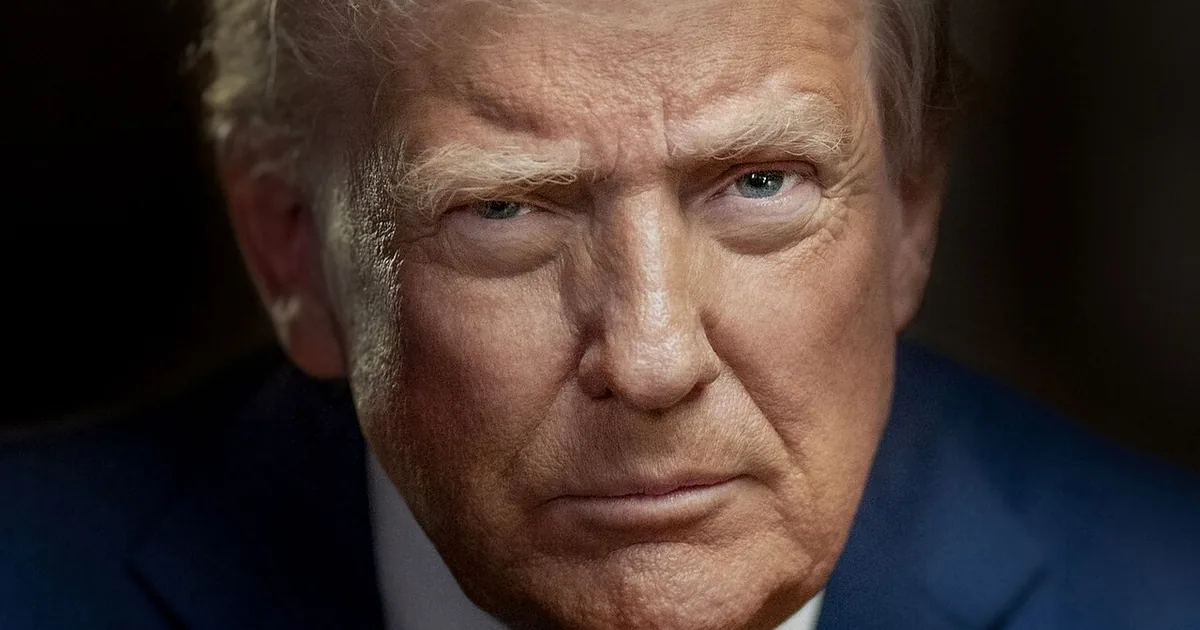
President Trump told CNBC that bitcoin used as money shouldn’t trigger a capital gains tax event. His example was literal: buying coffee with BTC. “If bitcoin is money, then paying with it shouldn’t trigger a tax liability,” he said, framing digital assets as a strategic technology race the US needs to lead Bitcoin Foundation.
Read it for what it is: a stated preference, not legislation. The US still taxes crypto disposed of at a gain, and paying for coffee with appreciated bitcoin is a taxable event today. A presidential comment doesn’t amend the Internal Revenue Code. For this to change, Congress has to act — and the filing was light on a mechanism.
Treat “no tax on bitcoin payments” as a direction of travel, not something you can rely on at the point of sale this year.
The SEC’s “neutral” ETF pivot
Separately, SEC Division of Investment Management Director Brian Daly acknowledged the agency “handled crypto ETFs poorly,” saying it got dragged into lawsuits and lost industry trust. The stated fix is a more predictable, transparent process and a single framework neutral to asset type — replacing the current model of reacting to each new product class separately Bitcoin Foundation.
The SEC is preparing a request for comment covering spot crypto ETFs, prediction-market products, leveraged funds, and private-asset ETFs. Daly noted roughly 1,800 ETF filings this year, about 50% more than last, with prediction-market ETFs (a new asset type meeting a new ETF structure meeting CFTC jurisdiction) getting special scrutiny.
Why the July 2026 US crypto policy shifts matter for markets
The throughline is de-risking. A president talking about bitcoin as payment, and an SEC chair admitting past mistakes and promising neutrality, both lower perceived regulatory risk for issuers and institutions. That’s real, and it’s why crypto ETF product design is accelerating. The July 2026 shifts — a payments-tax stance and a neutral product framework — together mark the clearest change in US crypto posture since the spot ETF approvals of 2024.
But two caveats for anyone tempted to read this as “green light”:
- Nothing here is final. A comment period is the start of rulemaking, not the end. Prediction-market ETFs in particular face a CFTC overlap that has historically slowed approvals.
- Disclosure, not endorsement. Daly’s framing is about “quality disclosure and a clear process,” not about blessing any specific product. New filings still clear the same bars.
US Crypto Policy Shifts In July 2026: No T: The risk nobody’s flagging
Sentiment can flip faster than the rulebook. These are statements from officials whose successors may disagree, and the crypto-tax exemption specifically requires legislation that hasn’t been introduced in concrete form. If you’re positioning a portfolio around “no tax on BTC payments,” you’re betting on a bill that doesn’t exist yet. The ETF framework is further along but still pre-comment.
Bottom line: July 2026’s US crypto policy signals are genuinely constructive — a payments-tax stance that, if codified, boosts BTC’s use-case as money, and an SEC moving from reactive whack-a-mole toward a neutral product framework. Neither is binding yet. Watch for an actual legislative text on the tax question and the SEC’s formal comment request on ETFs before treating either as settled.