
Bottom line: Idols of Ash proves a single mechanic can carry a complete horror campaign — if that mechanic is deep enough to generate its own difficulty curve, narrative pacing, and terror without upgrades or cutscenes.
TL;DR: Leafy Games’ Idols of Ash compresses a full horror campaign into two hours by building every encounter around a single grappling-hook mechanic that demands mastery of momentum, timing, and vertical spatial reasoning — no combat, no inventory, just descent.
Idols Of Ash: A Hook That Defines an Entire Game
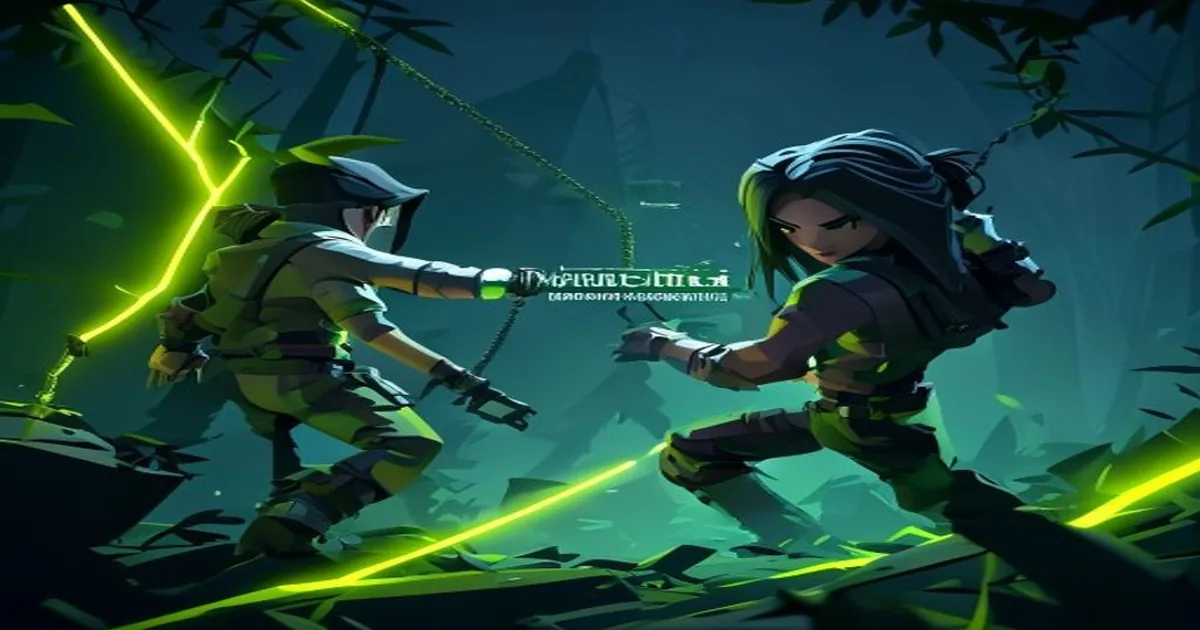
Most horror games drip-feed mechanics across ten-hour campaigns. Idols of Ash hands you a grappling hook in the first minute and never introduces another tool. The result is a two-hour descent through a cylindrical abyss where every platform, enemy encounter, and moment of tension derives from that one interaction (https://www.pcgamer.com/games/horror/i-need-you-to-play-this-unbelievably-tense-2-hour-horror-about-descending-into-hell-with-a-grappling-hook/).
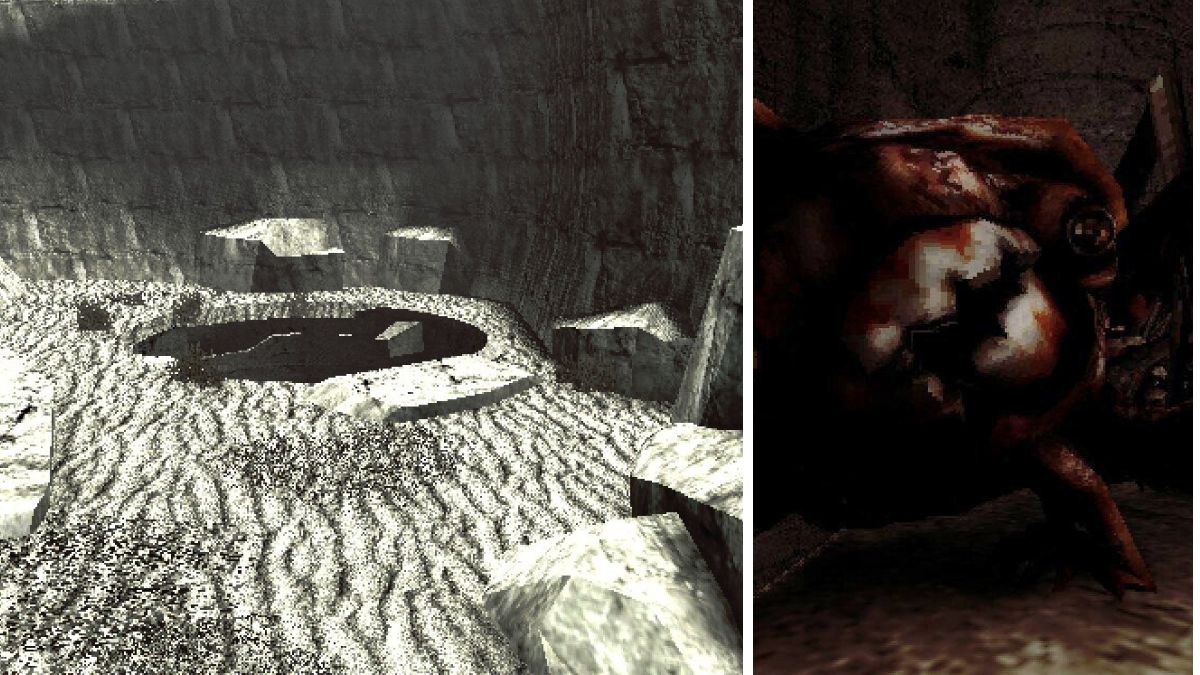
Developed by Leafy Games, the title presents as another low-poly first-person horror entry — think Paratopic or Iron Lung — but its structure aligns closer to a climbing simulator. The unnamed protagonist stands at the mouth of a “fathomless pit” with a single objective: reach the bottom. No map, no waypoints, no skill tree. Just a rope and the geometry (https://store.steampowered.com/app/2767030/Idols_of_Ash/).
Movement as Horror Language
The grappling hook operates on three rules the game never explicitly tutorials:
| Input | Behavior | Risk Profile |
|---|---|---|
| Hook current surface | Controlled rappel to rope length | Low — predictable descent |
| Drop unanchored, hook mid-fall | Emergency arrest | Medium — timing window narrows with speed |
| Swing and release | Momentum launch to distant platforms | High — physics-dependent, no mid-air correction |
This system creates emergent difficulty curves. Early sections permit slow, methodical rappelling. Deeper zones demand chained swings across widening gaps while the environment contracts. The PC Gamer hands-on notes that “the further downward I charted the less I could dare rely on hooking and descending: I had to jump and catch, swing and leap” (https://www.pcgamer.com/games/horror/i-need-you-to-play-this-unbelievably-tense-2-hour-horror-about-descending-into-hell-with-a-grappling-hook/).
For developers, this is a masterclass in mechanic saturation — extracting maximum expressive range from a single input without power-ups or upgrades. The hook is the progression system; player skill is the unlock.
FromSoftware’s Vertical DNA
The Miyazaki comparison isn’t superficial. Idols of Ash borrows the recurring motif of deliberate descent into widening abysses — Blighttown’s scaffold maze, the Catacombs’ spiral, the Well of Urd’s plunge — but strips away RPG stats, weapon variety, and bonfire checkpoints. What remains is pure spatial negotiation under pressure.
Key parallels:
- Verticality as narrative: Downward movement = narrative progression. No cutscenes explain why; the geometry argues for you.
- Environmental storytelling via architecture: Platform placement implies previous travelers, failed attempts, deliberate traps.
- Tonal whiplash: “Pure melancholy murk until, with the flip of a dime, it turns skin crawling” (https://www.pcgamer.com/games/horror/i-need-you-to-play-this-unbelievably-tense-2-hour-horror-about-descending-into-hell-with-a-grappling-hook/). The first giant centipede appearance snaps the player in half — a one-hit kill that reframes the preceding calm as bait.
Unlike FromSoftware’s games, Idols of Ash offers no recovery loop. Death restarts the descent. The tension compounds because the player knows exactly what’s coming but must execute cleaner each time.
Horror Through Mechanical Vulnerability
Traditional horror disempowers through limited ammo, clunky controls, or scripted chases. Idols of Ash disempowers by making competence the only safety — and competence requires calm execution of a physics system that punishes panic.
The centipede encounter illustrates this: it drops from above, forcing the player to look up while descending — a direct conflict with the game’s core downward gaze. Surviving demands:
- Peripheral awareness of vertical threats while managing hook cooldown
- Controlled fall speed — too fast and you can’t react; too slow and the centipede catches you
- Platform memorization — safe anchor points become life-or-death knowledge
This design creates horror that scales with player skill. A novice dies to the centipede repeatedly. An expert still feels dread because the margin for error remains razor-thin. The mechanic doesn’t trivialize with mastery; it deepens (https://leafygames.itch.io/idols-of-ash).
Implications for Indie Scope Management
Idols of Ash demonstrates a viable alternative to content-heavy horror design:
- Single-mechanic focus reduces asset scope (no weapon models, animation sets, UI systems)
- Procedural-feeling geometry — the cylindrical pit allows modular platform placement without open-world budget
- Runtime compression — two hours means higher completion rates, tighter pacing, lower player drop-off
- Streamer-friendly — consistent mechanical language creates readable tension for audiences
For solo or small teams, this model sidesteps the content treadmill that kills many ambitious horror projects. The grappling hook is the level design, the combat, the puzzle, and the horror director simultaneously. Our earlier analysis of indie horror design patterns covers this scope strategy in depth.
Practical Takeaway for Builders
If you’re prototyping a movement-centric game, Idols of Ash offers a concrete template:
- Define three input states for your core mechanic (low/medium/high risk)
- Gate progression behind execution, not unlocks
- Use environmental geometry to teach without tutorials
- Compress runtime to match mechanic depth — don’t pad
This approach aligns with the movement mechanics deep-dive we published on extracting expressive range from minimal inputs, and the scope management guide for solo devs on shipping complete experiences without feature creep.
Bottom Line / Verdict
Buy if: You want a pure, mechanic-driven horror experience that respects your time and rewards skill growth. The two-hour runtime, $5–$7 price point (Steam regional pricing), and zero-fluff design make it a low-risk, high-reward purchase.
Skip if: You need narrative hand-holding, combat variety, or accessibility options — Idols of Ash offers none. Its difficulty is non-negotiable by design.
For developers: Study this as a scope discipline case study. A single mechanic, fully explored, beats five mechanics half-implemented. The grappling hook carries the entire game because Leafy Games designed around its constraints, not against them.