
Most people who hold a euro stablecoin in the EU have been living under a new rulebook for over two years without realizing it. The bloc’s Markets in Crypto-Assets Regulation — MiCA — turned stablecoins from a regulatory gray zone into a licensed, reserved-backed product, with the stablecoin provisions applying from 30 June 2024. If you send or save a euro-backed token today, the issuer behind it is supposed to be authorized, audited, and holding real reserves equal to what you hold. That is a bigger shift than the quiet rollout suggested.
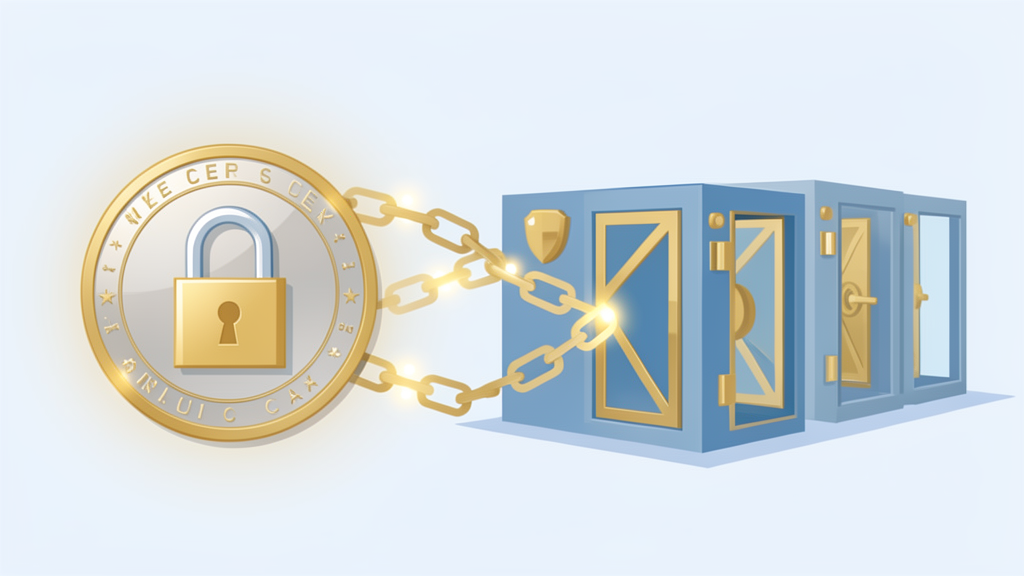
Editorial illustration: MiCA’s reserved, authorized stablecoin model. Source: ESMA MiCA framework.
How MiCA got here
MiCA is Regulation (EU) 2023/1114, which entered into force on 29 June 2023. It was built as a single, horizontal rulebook for crypto-assets that are not already covered by existing financial law. The timeline was deliberately split:
- 29 June 2023 — the regulation entered into force.
- 30 June 2024 — the stablecoin chapters (on asset-referenced tokens and e-money tokens) became applicable.
- 30 December 2024 — the remaining provisions, covering other crypto-assets and service providers, reached full application.
So stablecoins were intentionally front-loaded. Regulators judged that the tokens pegged to real-world money carried the most immediate consumer and financial-stability risk, and they moved first.
The two flavors of stablecoin
MiCA does not treat all stablecoins the same. It carves them into two buckets:
- E-money tokens (EMTs) — tokens that reference a single official currency, like a euro. These are the close cousins of digital cash.
- Asset-referenced tokens (ARTs) — tokens referenced to a basket of assets, currencies, or commodities.
For a holder, the practical difference is that an EMT behaves like an electronic-money claim: you are holding a tokenized promise of one euro, and the issuer is treated more like an e-money institution than a hedge fund.
What issuers must actually do
This is where MiCA moves from paperwork to protection. An EMT issuer in the EU must:
- Be an authorized entity — typically a credit institution or an authorized e-money institution — not an anonymous foundation.
- Hold reserves equal to the value of tokens in circulation, and those reserves must be safe, liquid, and segregated from the issuer’s own funds.
- Offer redemption at par, meaning one token equals one euro on demand, not at a market discount.
- Meet capital and governance requirements, including initial capital of at least €350,000 plus buffers scaled to the volume of tokens issued.
For “significant” stablecoins — those that cross usage or volume thresholds — supervisors add tighter oversight, including per-day transaction limits, to cap systemic risk. The European Securities and Markets Authority (ESMA) is the central coordinator, with national competent authorities doing the day-to-day licensing.
What this means for a holder
If you hold an EU-authorized euro stablecoin, the theory is reassuring: your token is backed one-to-one by real reserves, the issuer is a known, licensed entity, and you can redeem at face value. That is a sharper consumer guarantee than existed in 2022, when a stablecoin could de-peg and leave holders stuck with no clear redemption right.
The catch is that the guarantee only holds for tokens issued under MiCA. Stablecoins domiciled outside the EU are not automatically covered, even if they trade on EU platforms. Exchanges serving the bloc are expected to weigh which tokens they list against the authorized set, which is why some global stablecoins have restructured their EU offerings or pulled certain products from European users.
Where this sits next to the UK
The EU framework is not the only one in force. The UK took a different, more incremental path — the Bank of England, for example, capped reserves for “systemic” stablecoins at 70% in mid-2026, a sector-specific limit rather than a full licensing regime. MiCA is the broader, earlier, and more prescriptive of the two. For a European holder, the EU rules are the ones that already govern the token in their wallet today.
The limits to keep in mind
MiCA covers the issuer and the reserve, not the price stability of anything else in your portfolio. A MiCA-authorized stablecoin is not a government deposit, and its reserves, while segregated and audited, are only as safe as the assets they are held in. And the rulebook is still maturing — ESMA and the European Commission continue to issue guidance, and cross-border stablecoins remain a live area of negotiation between jurisdictions.
What a holder should actually check
The framework only protects you if the token you hold is genuinely in scope, so a little diligence goes a long way. Three practical checks:
- Confirm the issuer is authorized in the EU. An authorized e-money token names a licensed issuer; if the entity behind a euro stablecoin is opaque or domiciled offshore, MiCA’s redemption and reserve guarantees may not apply to you.
- Look for reserve attestations. Authorized issuers are expected to publish details of the safe, liquid assets backing tokens in circulation. Regular, audited attestations are the visible sign the 1:1 backing claim is being honored.
- Test redemption, not just price. A token trading near par on an exchange is not the same as a contractual right to redeem at par from the issuer. The MiCA guarantee is about the redemption right, so verify the issuer actually offers it.
None of this makes a stablecoin a bank deposit, and reserves are only as safe as the assets they hold. But the ability to ask these questions — and get documented answers — is the real change MiCA brought.
When did MiCA’s stablecoin rules start?
30 June 2024, with full application of the wider regulation from 30 December 2024.
Are all stablecoins covered?
EU-authorized e-money and asset-referenced tokens are. Stablecoins issued outside the EU are not automatically in scope, though they may be restricted on EU platforms.
Is my euro stablecoin backed 1:1?
If it is a MiCA-authorized e-money token, the issuer must hold reserves equal to tokens in circulation and redeem at par.
Who supervises it?
ESMA coordinates, with national competent authorities handling licensing and oversight.
Bottom line: MiCA has governed EU euro stablecoins since 30 June 2024, requiring authorized issuers, full reserves, and par redemption. Holders of in-scope tokens get a clearer, safer claim than the market offered two years ago — provided the token they hold is actually issued under the EU regime.