The class action over Apple’s delayed Siri and Apple Intelligence features has cleared its first major court hurdle. A judge signed preliminary approval of Apple’s $250 million settlement following a July 8 hearing, according to a July 24, 2026 report from 9to5Mac, moving the case into the claims stage — and putting a rough timeline on when eligible iPhone owners actually see money.
The short version: if you bought an Apple Intelligence-capable iPhone in the roughly nine-month window after Apple first announced the features, you’re likely in the class, and the expected payout is about $25 per eligible device.
How Apple got here
The lawsuit dates back to Apple’s June 2024 announcement of Apple Intelligence for iPhone, iPad, and Mac, a WWDC reveal that leaned heavily on a smarter, more personal Siri. Several of those flagship Siri capabilities then slipped — badly. The complaint alleged Apple “promoted and marketed AI capabilities that did not exist at the time and would not exist for years,” arguing the marketing drove consumers “to upgrade at a premium price point” for features that were, in the filing’s words, “significantly limited or entirely absent.”
Apple agreed to settle in December, with terms announced in May. The company admits no wrongdoing, and told 9to5Mac at the time that settling let it “stay focused on doing what we do best, delivering the most innovative products and services to our users.”
At the preliminary approval stage, the judge also rejected an objection arguing the deal improperly lumps together class members with very different claim values — clearing the way for the settlement structure to proceed as proposed.
Which iPhones qualify
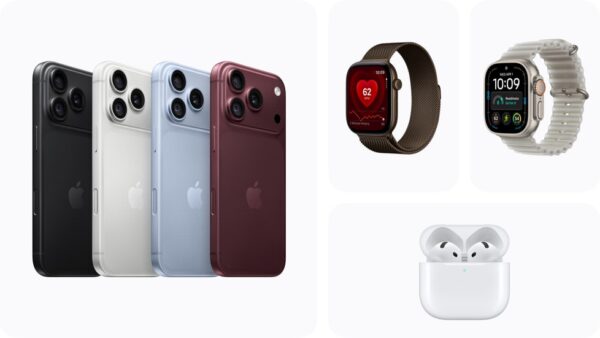
Eligibility, confirmed by MacRumors, covers purchases of Apple Intelligence-capable iPhones made between June 10, 2024 — the day Apple announced the features — and March 29, 2025, shortly after Apple delayed them. The eligible models:
- iPhone 15 Pro and iPhone 15 Pro Max
- iPhone 16e
- iPhone 16 and iPhone 16 Plus
- iPhone 16 Pro and iPhone 16 Pro Max
How much, and the catch
The headline number is $250 million, but legal fees come off the top before consumers see anything. For individual iPhone owners, the expected payout is $25 per eligible device — a floor-ish estimate, not a guarantee. The final figure depends on how many claims are filed: more claimants means a smaller per-device check, while a low claim rate pushes the maximum to $95 per eligible device.
That inverse relationship is standard class-action mechanics, but it’s worth internalizing: the widely reported $25 figure will move, and the only scenario where anyone sees $95 is if most eligible owners never bother to file.
What to do right now: nothing — but mark two dates
There is no live claims website yet. Verita Global, the settlement administrator, will stand one up, and notices inviting claims must go out within 45 days of the preliminary approval — no later than August 31, 2026. When claims open, you’ll need proof of purchase for an eligible device (such as a serial number), your Apple Account information, and a phone number.
The second date is less fun: the final approval hearing for payouts isn’t scheduled until September 29, 2027, and checks don’t go out until at least 60 days after that. Realistically, money lands in late 2027 at the earliest — more than three years after the WWDC keynote that started all of this.
The bigger picture
The settlement closes one of the more concrete consequences of Apple’s Apple Intelligence stumble, and it arrives at an awkwardly ironic moment — the delayed smarter Siri is now shipping in iOS 27, to generally positive early reception. For Apple, $250 million is a rounding error. The more durable cost is the precedent: marketing AI features ahead of their existence now has a documented price tag, and every company selling “coming soon” AI should read the eligibility window in this deal — announcement day to delay day — as the exact span a court considered actionable.
For iPhone owners in the class, the practical takeaway is simpler: watch for the claim notice before the end of August, keep your device serial number handy, and file. The per-device check only shrinks if you don’t.