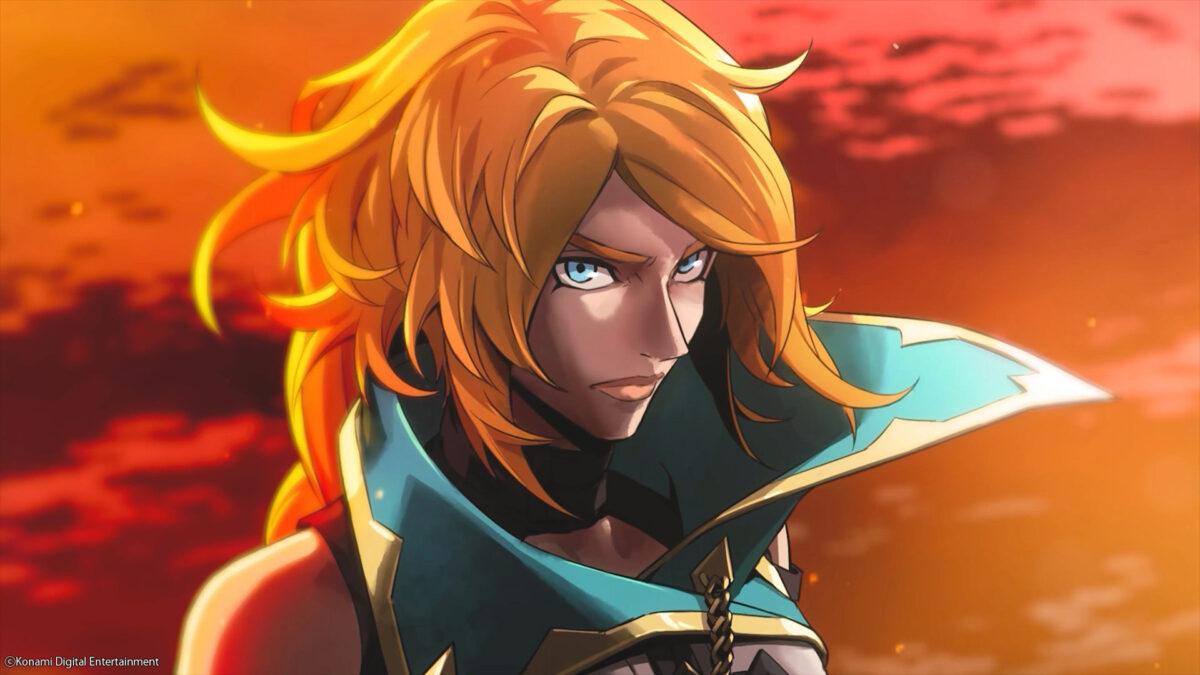
It has been more than a decade since KONAMI shipped a brand-new Castlevania game, and the company’s chosen path back is the kind of decision that would have sounded like fan fiction five years ago: hand the series to a French indie studio. In a hands-on preview event held inside the Chapelle Sainte-Jeanne-d’Arc in Paris’ 14th arrondissement — a deliberately on-theme venue — KONAMI and Evil Empire walked press through Castlevania: Belmont’s Curse, the first mainline entry since the Lords of Shadow era, as detailed in Xbox Wire’s July 24 interview with the two studios.
Evil Empire is not an outsider to the franchise. The Bordeaux-based team built its reputation maintaining and expanding Dead Cells, and its Return to Castlevania DLC remains one of the most celebrated licensed crossovers in recent memory. According to KONAMI producer Tsutomu Taniguchi, that DLC was effectively the audition: the publisher was swayed by “Evil Empire’s passion for Castlevania” and “their expertise in action games.” Creative director Emmanuel Nouaille puts it more plainly — “Our best résumé was simply our work.” What began as a tribute pitch turned, through ongoing conversations, into KONAMI entrusting the studio with a full numbered revival. Nouaille recalls the moment the relationship clicked: Taniguchi visited the studio to play the finished DLC, wandered the castle finding Easter eggs, then simply turned around and gave the team a thumbs up.
Paris, 1499, and a new Belmont
The setup is a canonical continuation rather than a reboot. Belmont’s Curse slots into the official timeline after Dracula’s Curse and Curse of Darkness: it is 1499, Paris is burning, and monsters are pouring out of the shadows. Trevor Belmont — the hero who defeated Dracula — enters the city with his daughter, Rose Belmont, the game’s new protagonist. The hands-on build opened in a dark gothic rendition of the French capital, with Notre-Dame Cathedral and the Catacombs appearing alongside a string of other French landmarks. Setting a Castlevania in Evil Empire’s home country could have felt like a gimmick; in practice, the historical texture reads as authentic rather than decorative.
Before a single system was designed, both teams say they had to answer a deceptively hard question: what actually is Castlevania? “Castlevania means something different to everyone,” Nouaille told Xbox Wire. The pillars they agreed on: it stays a 2D action-exploration game, it fits the official canon, and the Vampire Killer whip stays at the center of everything. Within that frame, KONAMI deliberately gave the studio wide creative freedom — “This wasn’t a work-for-hire project. It was a genuine creative collaboration,” in Nouaille’s words.
The whip is a movement system now
The clearest design statement in the preview build is what Evil Empire has done with the whip. Rather than reinventing the series’ icon, the team expanded its role: Rose swings through levels “like a trapeze artist,” using the Vampire Killer as naturally for traversal as for combat. That versatility feeds directly back into exploration — unlocking new whip abilities invites you to re-open the map and mark areas to revisit, a moment Nouaille describes as the point in development when he realized the game had become a true Castlevania. Taniguchi confirms the intent: “The whip remains true to Castlevania’s identity, but we wanted to give it a new dimension.”
Around that core sits a build system with reach. The official Xbox store listing details seven distinct weapon categories plus Relics that trigger effects through offense and defense, and an Arcana system in which defeated bosses are sealed into Rose’s tarot cards, granting spells and unique special actions. The boss roster leans into legacy — Death, Medusa and Carmilla all return — alongside new adversaries, including, strikingly for a game set in Paris, Joan of Arc.
Priced like a confident throwback
KONAMI is positioning the revival at $29.99, with an Alucard Style Costume as the pre-order bonus — mid-tier pricing that mirrors how Dead Cells itself undercut bigger action games and won on depth. Nothing shown in the preview suggested corner-cutting: the press build featured the full animation, sound design and art-direction polish you would expect from a flagship, and Nouaille teases that the demoed slice is “only the beginning of the adventure. Once you reach the castle, everything changes.”
The pattern here is one the industry keeps validating: an IP holder pairing a dormant franchise with the independent studio that most obviously loves it. Sega did it with Sonic Mania, Nintendo with Metroid Dread’s MercurySteam. If the shipped game holds the standard of the hands-on, Castlevania — a series that spent ten years as a symbol of KONAMI’s retreat from console development — may end up as the strongest argument yet for that model.