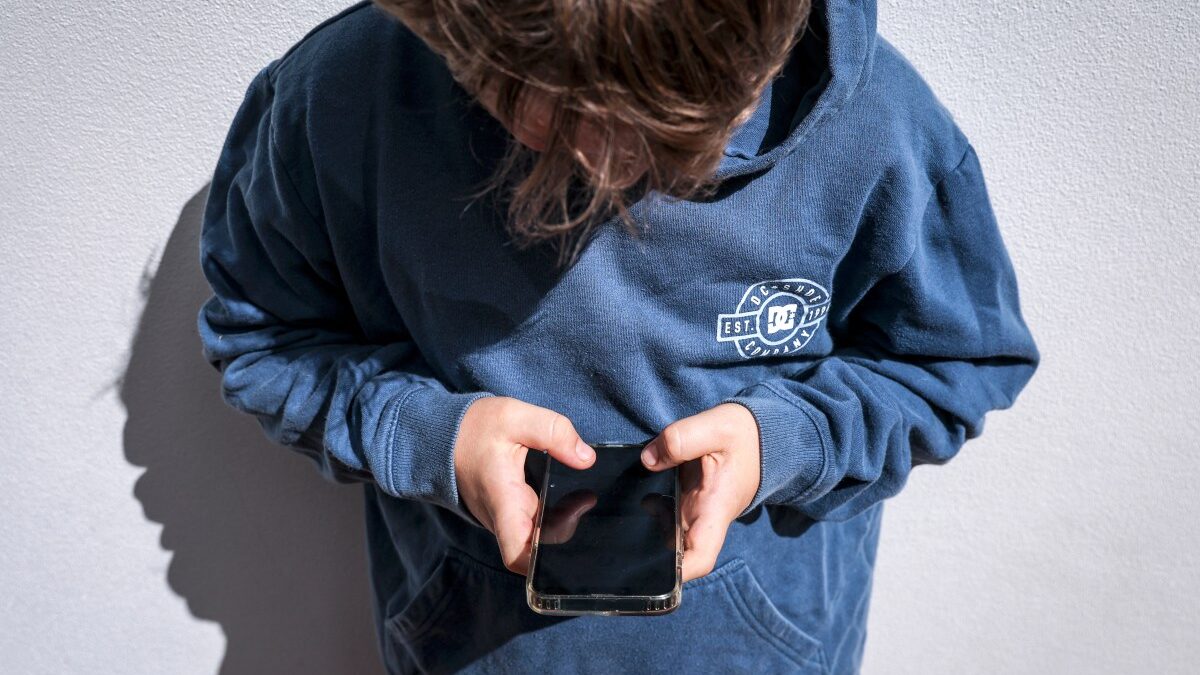
A quiet legislative wave is reshaping who is allowed on social media. Over the past year a growing list of governments has moved from vague concern about teen mental health to concrete laws that block children — usually under 16, sometimes under 15 or 14 — from holding accounts on the major platforms. Australia fired the starting gun in December 2025, and by mid-2026 the map had filled in across Europe, Asia, and North America. This guide is a practical, sourced snapshot of where each ban stands, what it actually covers, and where the critics say the approach falls short.
The throughline is consistent: lawmakers cite cyberbullying, addiction, anxiety, sleep loss, and predator exposure as the harms they’re trying to blunt. The mechanisms differ — some laws block access outright, others lean on age verification, others still are only proposals awaiting a vote. What unites them is a shift from “platforms should do better” to “platforms must keep minors off or pay.”
Australia: the template everyone is watching
Australia became the world’s first country to ban social media for children under 16 when its law took effect at the end of 2025. The ban blocks children from using Facebook, Instagram, Snapchat, Threads, TikTok, X, YouTube, Reddit, Twitch, and Kick — notably not WhatsApp or YouTube Kids. The government has told the platforms they must take steps to keep children off their services, and companies that fail to comply can face penalties of up to A$49.5 million (about US$34.4 million). Regulators are expected to use multiple age-verification methods rather than relying on users simply typing in a birth date (TechCrunch). Human-rights group Amnesty International called the Australian ban “an ineffective quick fix that will not prevent online harms,” arguing it pushes children toward less visible, less moderated corners of the internet (Amnesty International).
The United Kingdom: a landmark move
The UK government confirmed on June 15, 2026 that it will impose a ban on social media use for children under 16. The ban would apply to Snapchat, TikTok, YouTube, Instagram, Facebook, and X, while messaging services such as WhatsApp and Signal are carved out. Notably, the UK plan also places limits on AI tools — so-called “romantic companion” chatbots would have to ensure they are only usable by people over 18. Officials have acknowledged the practical challenges of enforcing a blanket ban, and experts have questioned whether it will be effective in practice (UK Government).
France: the newest vote
France passed a law on July 21, 2026 banning access to social media for anyone under 15, with the rules potentially taking effect as soon as September 1. The law also bans the use of cell phones in high schools, extending a restriction already in place in primary and middle schools. France is the most recent country to act, and its law is notable for pairing the social-media cutoff with a broader device ban in schools (The New York Times).
Denmark, Greece, and the Nordic/Mediterranean arc
Denmark is set to ban social media platforms for children under 15. The government announced in November 2025 that it had secured cross-party support, and the law could pass as soon as mid-2026; Denmark’s digital-affairs ministry is also launching a “digital evidence” app with age-verification tooling that may feed the ban (Associated Press). Greece’s prime minister announced in April 2026 that the country will ban access for under-15s starting January 2027, framing it as a response to rising anxiety and sleep problems among children and the addictive design of social media.
Spain, Slovenia, Poland, and Turkey
Spain’s prime minister said in early February 2026 that the country plans to ban social media for under-16s, though the measure still needs parliamentary approval; Madrid also wants a law making social-media executives personally accountable for illegal hateful content. Slovenia is drafting legislation to prohibit under-15s from accessing social media, citing platforms such as TikTok, Snapchat, and Instagram. Poland’s ruling party is drafting a similar under-15 ban. Turkey’s parliament passed a bill in April 2026 to restrict social-media access for children under 15, leaving it to President Erdoğan to accept the bill for it to become law (Reuters on Spain, Reuters on Slovenia).
Germany and Austria: proposals, not yet law
Germany’s conservatives discussed a proposal in early February 2026 to bar under-16s, but Reuters reported signs that center-left coalition partners were hesitant about an outright ban. Austria said in late March 2026 that it will ban social media for children up to age 14, with draft legislation expected to be finalized by June. These two are the clearest examples of how uneven the European response remains — some governments are moving fast, others are still debating.
North America and Asia
Canada introduced a digital-safety bill in early June 2026 that would ban social media for children under 16; officials say it could take a year to pass, and platforms could potentially sidestep the ban by demonstrating they have strong protective policies. Malaysia said in November 2025 it plans to ban social media for under-16s and aims to implement it during 2026. Indonesia said in early March 2026 it is banning under-16s from social media and other popular platforms, starting with YouTube, TikTok, Facebook, Instagram, Threads, X, Bigo Live, and Roblox (Reuters on Canada, NBC News on Malaysia).

Image: Getty Images / TechCrunch
What the critics say — and why it matters
The wave is not uncontested. Civil-liberties and child-rights groups warn that blanket bans can be both ineffective and counterproductive: they may simply move teen activity to encrypted or lesser-moderated services, strip vulnerable kids of peer-support communities, and normalize invasive age-verification systems that sweep up adults too. The tension is real — a ban reduces one set of risks while arguably creating another. For families, the practical takeaway is that a national ban, where it exists, is a floor and not a replacement for the parental controls, conversation, and device-level limits that actually shape a child’s day-to-day experience online.
How to read this map
Treat the entries above as a snapshot, not a static list. Proposals become laws, effective dates slip, and age thresholds shift as coalitions change. The reliable signal is the direction: more governments are treating under-16 social-media access as a public-health and safety question rather than a private parenting choice. If you’re trying to comply — as a parent, a school, or a platform operator — the safest move is to watch the official government sources (the UK’s Department for Science, Media and Culture, Australia’s eSafety commissioner, and equivalent ministries) for the binding text, because the news headlines almost always precede the final rules.
The throughline for 2026 is simple: the default is moving from “social media is for everyone 13 and up” to “social media is for adults, with narrow carve-outs.” Whether that shift improves outcomes for children is the debate that will define the next few years of online-safety policy.