Most post-launch developer diaries celebrate what a team added. The one BornMonkie published for Dodo Duckie is more interesting because it celebrates what the studio took away. A jump button. A second set of art. Spoken dialogue. Each subtraction started as a compromise forced by a tiny budget or a hard pivot — and each one ended up defining the game the two-person studio actually shipped, now available on Xbox Series X|S and PC through Xbox Play Anywhere, per the studio’s own account on Xbox Wire.
It is a useful case study for any small team, because the lesson isn’t “dream bigger.” It’s the opposite: how a series of limits, taken seriously, can do the design work that money usually buys.
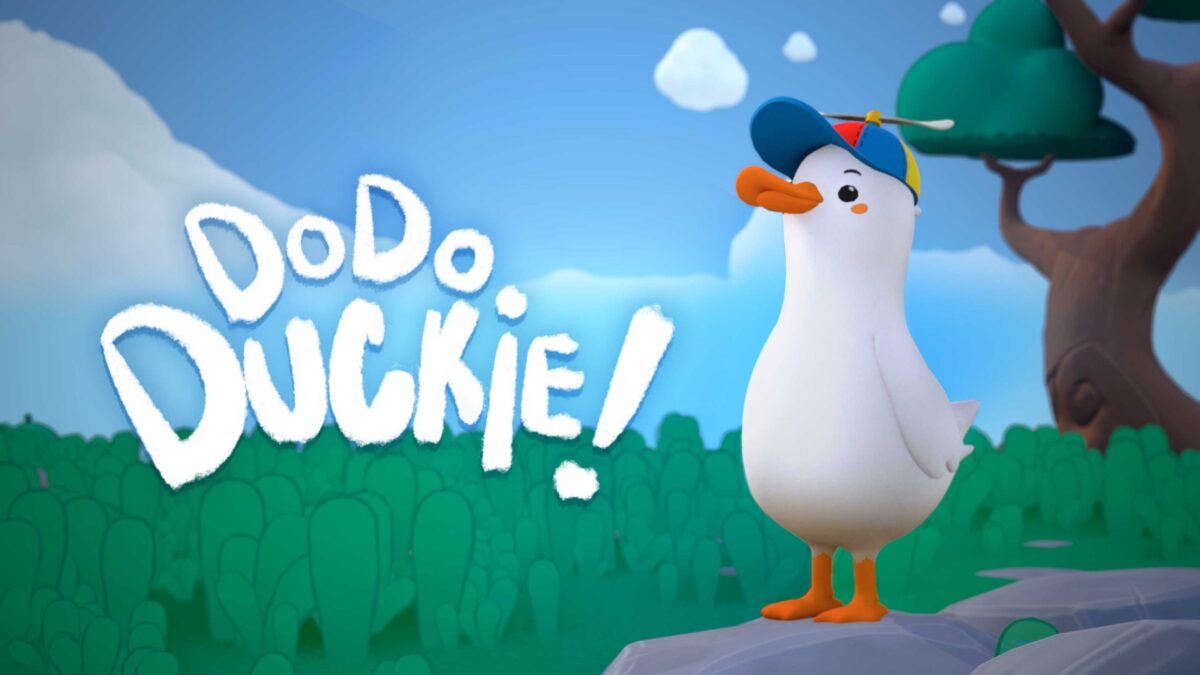
Dodo Duckie key art. Credit: Xbox Wire / BornMonkie
The pitch that had to shrink
BornMonkie is run by creative director VK Samhith and his sister, producer Samveda — a small studio operating out of India’s indie scene, where landing publisher backing for an unproven team is notoriously hard. Their first instinct was the common one: pitch something huge. Publishers passed. Rather than keep chasing budget for a game they couldn’t finish alone, they asked a more practical question — what could they actually build and see all the way through on their own?
That reframing is the whole origin story. Dodo Duckie exists because the studio stopped optimizing for what might get funded and started optimizing for what it could complete. The game’s premise even rhymes with the studio’s situation: a duckling raised among chickens, convinced something is wrong with him because he can’t fit in. The team has been open that the theme is personal — pursuing a creative games career in a highly competitive culture, against strict expectations, carried a real risk of isolation. The studio’s official home for the game is its own site, BornMonkie.
Deleting the jump button
The first big subtraction was mechanical. Early in development — the first prototype dates back to 2019, built in fits and starts around paid client work until the game was fully realized in 2025 — the team made what it calls a radical decision: remove the jump mechanic entirely from a 3D space.
For a platformer, dropping the jump is close to heresy. But it forced the core loop into something else. Dodo Duckie lets players flip between 2D and 3D perspectives to reveal hidden paths and solve puzzles, and taking away the reflexive “press A to hop over the gap” answer pushes players to think in terms of viewpoint rather than timing. The absence became the mechanic.
Playtesting revealed the real hook
Here is the twist that most teams miss, and the reason this is a usecase worth studying: BornMonkie was wrong about its own game.
The studio assumed the perspective-switching mechanic would be the headline draw. Then real players got their hands on it and showed the team something different — they were falling for Dodo, the character, before they’d even understood the puzzles. That feedback rewired the design philosophy. As the team puts it, Dodo’s personality was the “front door,” and the puzzle design was the reason to stay once you walked through it.
That is a hard thing to hear when you’ve spent years engineering a clever systems hook, and an easy thing to ignore. BornMonkie did the opposite: it let observed player behavior override its own assumptions and re-centered the game on charm first, challenge second. The mechanic didn’t get thrown out — it got demoted to its actual job.
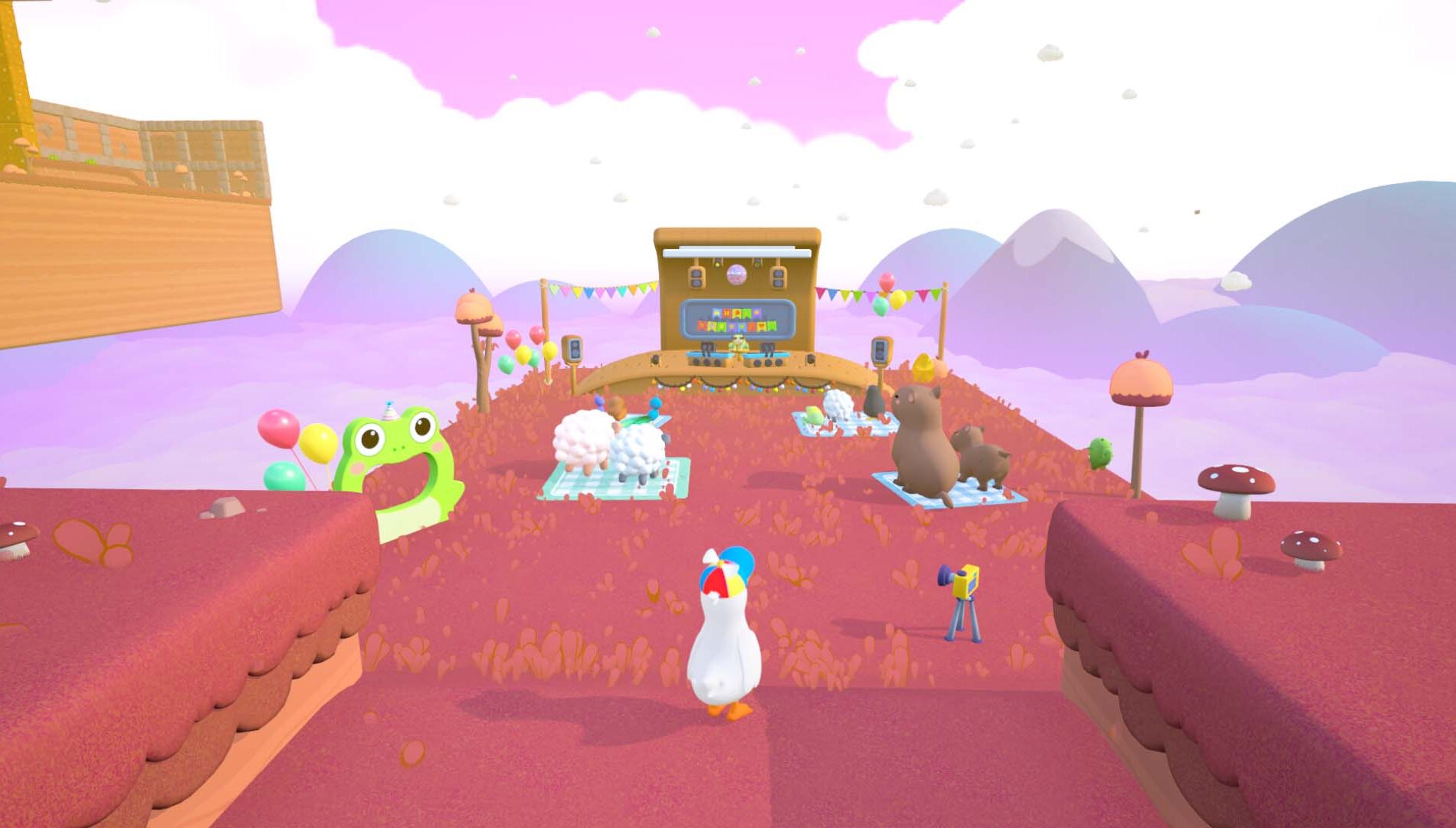
A look at Dodo Duckie’s readable, rounded art style. Credit: Xbox Wire / BornMonkie
The one-asset budget that built the look
The art nearly broke the project. The team spent two to three months cycling through prototypes it wasn’t happy with, unable to name what was wrong. The turning point came when art director Vincent Boichut joined and diagnosed the actual constraint hiding underneath the aesthetic frustration.
Because resources were tight, BornMonkie could only afford to build a single set of assets — and those assets had to work perfectly in two very different presentations. Every object needed to read clearly whether the player saw it head-on in 3D or flattened into 2D. That is a brutal requirement: a shape that looks great in perspective can turn into an unreadable smear once collapsed to a side-on silhouette.
The solution to that requirement is, quietly, the game’s entire visual identity. Clean shapes, rounded edges, and vibrant colors aren’t there because the team decided cute was on-trend; they’re there because they survive the flip between dimensions. Readability came first. The studio is happy the result also happens to be adorable, but the causality runs the other way — the constraint produced the style, not the other way around. “That restraint became our superpower,” is how the team frames it.
A story told without words
The last subtraction was language itself. Dodo Duckie leans away from heavy dialogue, carrying its emotional beats through animation, physical comedy, and character expression instead — the studio’s stated aim was for scenes to land like a Pixar short, purely through what you see. The practical payoff is reach: a wordless story is a story that works the same in any language, which matters for a small team hoping to find players everywhere at once. The narrative — Dodo learning that the differences keeping him from fitting in are exactly what make him special — is delivered by performance rather than text boxes.
The takeaway for small teams
Strip Dodo Duckie down to its process and you get a repeatable pattern: an over-scoped dream got cut to something finishable; a genre-standard mechanic got deleted to force a fresher loop; player testing overruled the founders’ pet theory about their own hook; a budget ceiling on art dictated a coherent, readable style; and skipping dialogue turned a resource limit into global accessibility. None of those were features the team set out to build. They were constraints the team refused to merely tolerate — and instead let shape the product.
For anyone weighing an ambitious first project against a shippable one, that’s the argument in a nutshell. Limits aren’t only the thing standing between you and the game you imagined; handled deliberately, they can be the thing that tells you which game to make. Or, in the studio’s own closing words about its duckling: a leap doesn’t have to look graceful to count. Dodo Duckie is available now on Xbox Series X|S and PC via the Xbox store.