For the first time since the iPhone became an annual September ritual, the standard model won’t be on stage this fall. According to 9to5Mac’s report published July 25, only the iPhone 18 Pro, iPhone 18 Pro Max, and the all-new foldable iPhone Ultra will debut this September. The regular iPhone 18 — along with the iPhone 18e and iPhone Air 2 — reportedly moves to spring 2027.
That’s not a delay in the “something went wrong” sense. It’s a deliberate restructuring of how Apple ships its most important product, and the logic behind it says a lot about where the iPhone lineup is heading.
Six phones is too many for one stage
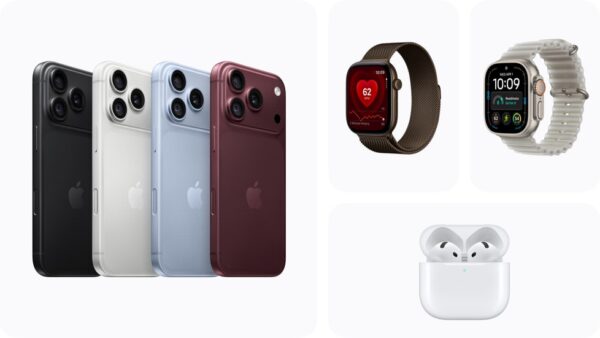
The reported driver is simple arithmetic. The iPhone 18 generation will span six models: iPhone 18, iPhone 18 Pro, iPhone 18 Pro Max, iPhone 18e, iPhone Air 2, and the foldable iPhone Ultra. As 9to5Mac lays out, the annual lineup has been quietly swelling for years — three debuts in the iPhone 11 era, four when the iPhone 12 mini arrived in 2020, the mini swapped for the iPhone 14 Plus in 2022, the Plus later swapped for the iPhone Air, a fifth slot added with the iPhone 16e, and now a sixth with the Ultra.
Apple’s own launch history shows the problem this creates: when Apple debuted the iPhone 17 lineup last September, every model competed for attention in a single keynote and a single pre-order weekend. With six devices, that stage — and that buying decision — gets genuinely crowded.
The reported split follows a clean theme: flagships in the fall, everything else in the spring.
- Fall 2026: iPhone 18 Pro, iPhone 18 Pro Max, iPhone Ultra
- Spring 2027: iPhone 18, iPhone 18e, iPhone Air 2
The fourth-phone curse
There’s a sales pattern underneath the scheduling change. As the report notes, whenever the lineup grew to four simultaneous launches, the fourth model underperformed at launch — that was true of the iPhone mini and true again of the iPhone Plus. Rather than keep burying its lower-tier phones in flagship launch noise, Apple is reportedly giving them a separate spotlight, several months clear of the Pro hype cycle.
There’s a margin story here too. Splitting the schedule means anyone who wants a new iPhone at launch this fall must buy an iPhone 18 Pro, Pro Max, or Ultra — the expensive end of the range. 9to5Mac’s Michael Burkhardt is direct about the likely effect: the split “will also likely end up increasing the average selling price of the iPhone,” since launch-window buyers will have no cheaper option. Whether that translates into more total units sold across both windows “remains to be seen.”
The 18 and 18e may nearly merge
One more wrinkle worth watching: Apple is reportedly working to merge the production techniques of the iPhone 18 and iPhone 18e. If that holds, the two spring phones may end up separated by little more than display panel and camera differences. It’s unclear which direction the convergence cuts — whether the 18e gets meaningfully better or the standard 18 gets thinner on differentiation — but a spring launch of two near-identical phones plus the Air 2 would make the fall/spring divide feel less like one lineup split in half and more like two distinct product families.
For Apple Intelligence and iOS 27 features, nothing about the split changes software support expectations — Apple documents its feature availability per device and the spring models will ship on the same OS generation as their fall siblings.
What this means if you’re waiting to upgrade
If your upgrade plan was “buy the regular iPhone 18 in September,” that plan now stretches to roughly March 2027 — a six-month wait. Realistic options:
- Buy the iPhone 17 this fall. It will likely get its customary price cut when the 18 Pro line lands, and spring buyers of the 18 may find the gap narrower than the price difference suggests.
- Stretch to the 18 Pro. That’s precisely what Apple’s pricing structure is nudging you toward — go in with clear eyes.
- Wait for spring. If the 18/18e production merger materializes, the 18e could quietly become the value pick of the generation.
The bigger picture: September has been the iPhone’s gravitational center since 2012. If this split ships as reported, Apple is betting that two smaller launch moments beat one giant one — and the spring 2027 event becomes the first real test of whether the standard iPhone can carry a stage on its own.