
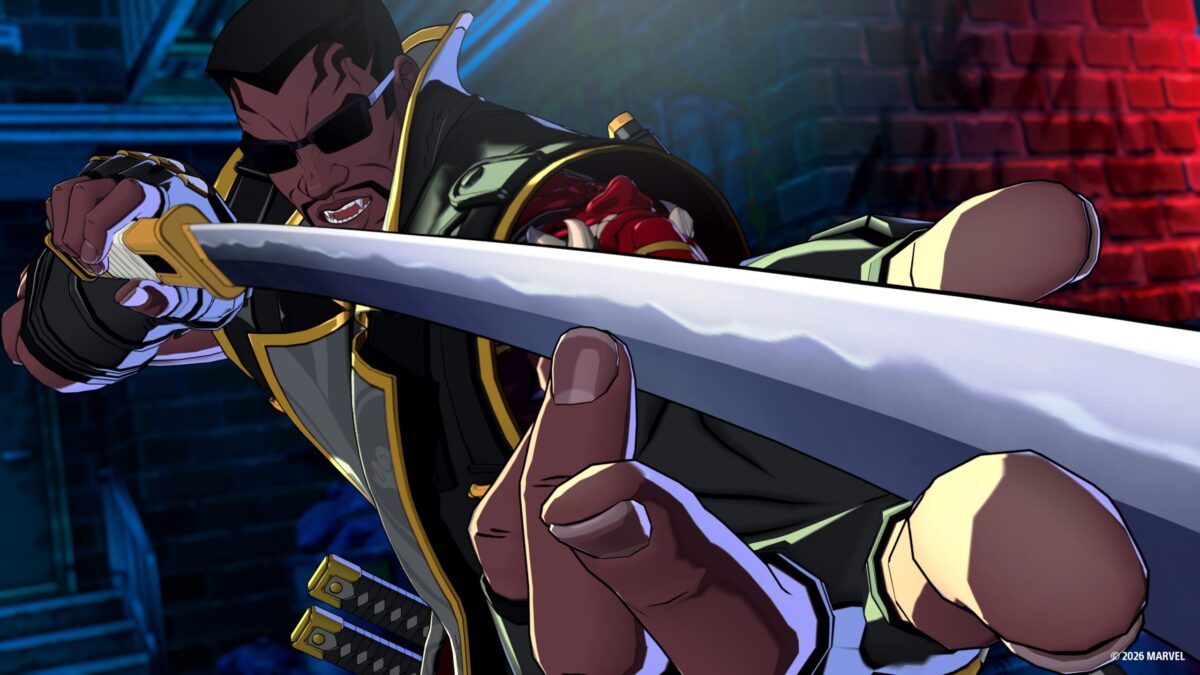
Fighting games have a reputation problem: the genre that looks the most fun to jump into is often the hardest to actually start. MARVEL Tokon: Fighting Souls — Arc System Works’ 4v4 tag fighter built around Marvel heroes — is making an unusually deliberate effort to change that, and the developer has now spelled out exactly how it expects new players to climb the ladder. Game director and lead battle designer Kazuto Sekine published a beginner’s guide on the PlayStation Blog alongside the game’s open beta, which runs July 24–26 on PlayStation 5 and PC.
If you’re in the beta this weekend — or just planning ahead for launch — the guide is effectively a map of which systems matter first. Here’s what it tells us, and how to structure your first few hours so you’re not just mashing buttons while Storm players teleport around you.
Start with the star ratings, not your favorite costume
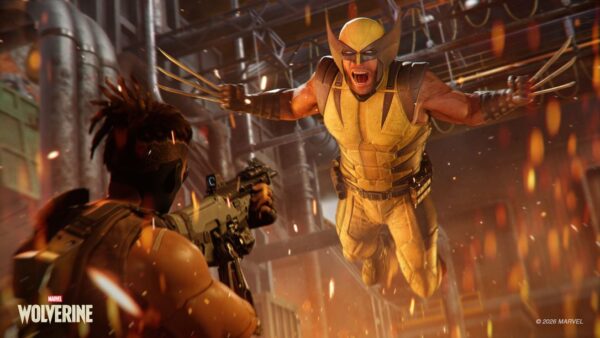
Tokon puts an EASE OF USE rating directly on the character select screen, and Sekine is explicit about what it means: more stars, easier to pick up. According to Arc System Works, the most beginner-friendly picks are Captain America, Ms. Marvel, and Wolverine, with Iron Man and Spider-Man close behind as relatively easy to learn. Storm and Danger sit at the other end — advanced playstyles that take real time to master.
That guidance matters more here than in most fighters because of how Tokon handles commitment. Once you’ve learned a character, you can rely on them for the entire match — so the studio’s advice is to start with the hero you actually like and expand your roster gradually, rather than trying to learn four characters at once.
For team construction, the developer’s suggested template is simple: pair a close-range specialist with a long-range one. Their own example is Wolverine’s aggressive melee style backed by Iron Man’s ranged attacks. But Sekine is careful to add that the best team is ultimately the one made of your favorites — this is a game that wants you experimenting, not solving a spreadsheet.
Startup Battle is the real tutorial — and veterans can skip half of it
The mode Arc System Works keeps pointing new players toward is Startup Battle, a step-by-step teaching mode you play as Captain America. It covers everything from Light (Square), Medium (Triangle), and Heavy (Circle) attacks through combos, skills, and character-specific actions.
The smart design decision is that it’s split into two sections:
- Basics — individual character actions: attacks, movement, fundamental mechanics.
- Assemble — the team-based layer: assists, switching, and cooperative actions.
If you already play fighting games, the developer says outright you can skip Basics and jump straight into Assemble. That’s worth taking seriously, because the Assemble layer is where Tokon differentiates itself from other tag fighters — and it’s the part your Street Fighter muscle memory won’t cover.

Image: Sony Interactive Entertainment / Arc System Works
The Link Attack system: three combo routes to drill first
Tokon’s answer to combo anxiety is the Link Attack system — repeat the same button and the game strings a legitimate combo for you. The developer’s guide lays out three starter routes, using L, M, and H for Light, Medium, and Heavy:
- L → L → L → L — chains into a Skill and can trigger a Break, the game’s stage-transition moment.
- M → M → M — leads into a Super Skill.
- H → H → H — leads into an even stronger Ultimate Skill.
Those three sequences are your foundation for dealing damage, and they’re deliberately learnable in minutes. Once they’re comfortable, the guide points to the first “real” route: L → M → H → Skill → Assemble Rush → Follow-up Attack — a full sequence that pulls your teammates into the combo and shows off the team-based structure the game is named for.
The honest way to read this: Link Attacks are training wheels, and Arc System Works knows it. Command Inputs — traditional motion inputs — deal slightly higher damage and generate more Skill Gauge than the one-button Quick Skill option. The studio’s recommendation is to start on Quick Skills, then migrate to Command Inputs as you get comfortable. You can even remap the Quick Skill button in the control settings. New players lose very little by taking the easy route early; the ceiling is still there when you want it.
Defense is two techniques, and both are comeback tools
Guarding works the way genre veterans expect — hold back for standing guard, down-back for crouching guard. What’s more interesting is the pair of advanced defensive options the guide singles out:
- Assemble Counter (Square + Cross while not guarding): a defensive backstep that automatically launches a counterattack if your opponent swings during it.
- Crossover (Square + Cross while guarding): calls a teammate in to interrupt the opponent’s offense and hand you an opening.
Sekine frames both as tools that “turn a defensive situation into an immediate comeback opportunity,” and both are practiceable inside Startup Battle. If you drill nothing else on defense, drill these two — they’re the difference between blocking until you lose and blocking until you win.
Assists first, switching later
Team mechanics are where Tokon’s four-character structure gets its depth, and the guide is unusually prescriptive about the learning order. Pressing Cross calls a teammate for an Assemble Assist attack, and the direction you hold decides who answers: neutral or forward calls your second teammate, down calls your third, back calls your fourth. The same directional logic applies to switching characters with L2.
Arc System Works’ recommendation: get fluent with assists before you touch direct switching. Then graduate to the assist-to-switch technique — after calling an assist, a brief “Switch?” prompt appears on screen, and pressing L2 in that window swaps you to that character seamlessly. That’s the mechanic that produces the fluid, rotating team offense the game is built around, and the developer openly says it takes practice.
Don’t skip Episode Mode
The beta also includes part of the Amazing Guardians Episode, Tokon’s story content, presented as motion comics. It covers early key moments — encounters with Promoter and Champion, and the setup for why Spider-Man forms his team. It’s easy to dismiss story mode in a fighting game, but it doubles as low-pressure reps: you experience the narrative, then head straight into battles.
A sensible first session, in order
Pulling the developer’s guidance into a practical sequence for your first hours — in the beta or at launch:
- Pick one high-star character you actually like (Captain America, Ms. Marvel, or Wolverine are the safest starts).
- Run Startup Battle — both sections if you’re new to fighters, Assemble only if you’re a veteran.
- Drill the three Link Attack routes until they’re automatic.
- Add Assemble Counter and Crossover to your defense.
- Learn assists before switching; chase the “Switch?” prompt once assists feel natural.
- Stay on Quick Skills until the fundamentals stick, then move to Command Inputs for the damage and gauge gains.
The open beta wraps July 26 on PlayStation 5 and PC, so there’s still a window to put this structure to the test before the full release. What stands out from the developer’s own framing is the philosophy underneath it: every system has an accessible on-ramp and a higher-skill version of itself waiting behind it. For a tag fighter carrying the Marvel license — and the expectations that come with it — that’s the right architecture for a genre trying to grow beyond its regulars.