- August 18, 2026 → OpenAI — date OpenAI and CodeAI announced the partnership and ChatGPT for Teens.
- June 2, 2026 → CodeAI — date Code.org rebranded to CodeAI and released the YouGov survey data.
- June 2025 → CodeAI — start of the Hour of AI program cited in the data release.
Karim Meghji has spent two years watching teenagers type into boxes they cannot explain. The CEO of the education nonprofit CodeAI said the gap between using AI and understanding it is now the defining problem for a generation that will live inside these tools CodeAI.
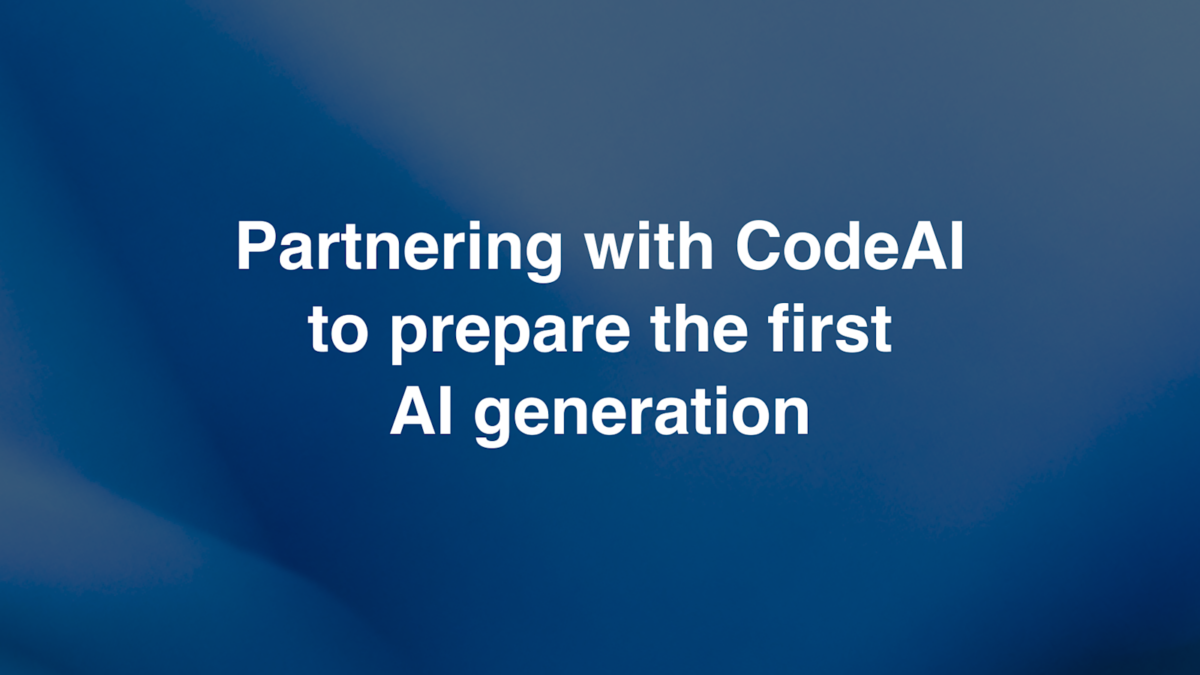
On August 18, 2026 OpenAI, OpenAI and CodeAI made that argument official, announcing a signature partnership and ChatGPT for Teens, a dedicated experience built around learning rather than just answers. The new product adds built-in protections for younger users and extra controls for parents.
The gap OpenAI is trying to close
The move lands in the middle of a widening gap. A survey cited by OpenAI found that 84% of US students already use AI, while only 16% of high school leaders say all their students are learning to understand it, and 75% of students say AI fluency will matter more in the future OpenAI. The tools arrived in backpacks long before the classroom caught up.
Karim Meghji said the gap is a question of power, not access. “Every student should know how AI actually works and be able to question the technology, catch its mistakes, and know when to stop trusting it,” he said, “and once they have that foundation, AI becomes something they can shape instead of a force that shapes them.”
What the partnership actually does
The partnership extends a rebrand that began on June 2, 2026 CodeAI, when Code.org became CodeAI to push full digital fluency. Since June 2025 CodeAI, more than 33 million learners have joined the Hour of AI, and 4.5 million students have used its curriculum; a separate survey found 63% of students see AI knowledge as valuable beyond school OpenAI.
Dr. Allison Mishkin, Head of Child Development at OpenAI, said the company’s goal is restraint, not just reach. “Parents and educators want young people to be ready for a future shaped by AI — and they are right to expect that to come with care,” she noted, explaining that OpenAI is not promising to put ChatGPT in every classroom, but to teach students when to question what it returns.
Concerns remain about who actually gets the training. Only four states have created formal AI education standards, and fourteen require AI or computer science coursework for graduation, according to the CodeAI data CodeAI. A national program from a private company can widen access, but it cannot by itself write standards into state law.
The first concrete step is the Builders Challenge, where high school students create with AI and show the work to OpenAI mentors, alongside a joint advisory council on youth safety. OpenAI has framed similar workforce bets before, pledging thousands of jobs at its Ohio AI campus OpenAI’s Ohio hiring plan. Whether a teen literacy push can close the gap it measured is the question the partnership now has to answer.