
Roku did not put out a press release for this one. The company simply updated its website this week with new manufacturer’s suggested retail prices for nearly its entire hardware lineup — increases that reach 60 percent on some models — and dressed the old prices up as a limited-time sale. The Desk, which first confirmed the change with a Roku executive, reports the company is blaming the same force that has been rippling through consumer electronics all year: the AI build-out’s insatiable appetite for memory chips.
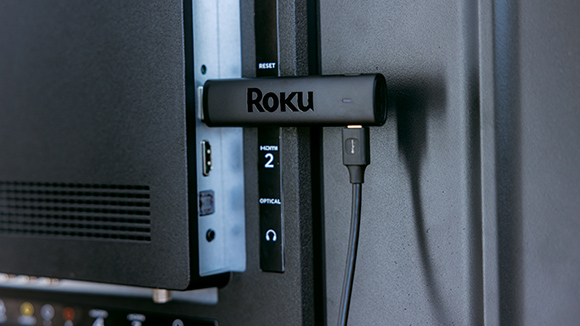
The new list prices, as shown on Roku’s own store, are steep across the board. The entry-level Roku Streaming Stick moves from $30 to $40. The Streaming Stick Plus climbs from $40 to $60. The Streaming Stick 4K — long the default recommendation for budget 4K streaming — jumps from $50 to $80, the full 60 percent increase. At the top of the range, the Roku Ultra and the Streambar SE each go from $100 to $150.
The “sale” that is really a countdown
For now, Roku’s store still shows the familiar old numbers — but as discounted sale prices beneath the new, higher MSRPs. There is a catch that signals how real the supply squeeze is: purchases are capped at three units per model per transaction, a restriction Ars Technica ran into when testing checkout. Retail partners such as Best Buy and Amazon will keep selling at the legacy prices only until existing inventory runs out, according to The Desk’s reporting.
Even bundles are quietly repricing. As recently as July 20, Roku listed a Streaming Stick Plus bundle with a month of Fox One at a $60 MSRP and a $25 sale price, per the Internet Archive’s snapshot of the store. That same bundle now carries an $80 MSRP and a $45 sale price.
From “great for our business” to a 60 percent hike
The uncomfortable subtext here is what Roku’s leadership was saying two months ago. On a May investor call, founder and CEO Anthony Wood argued the industry-wide memory crunch actually favored Roku, because its devices use less memory and cheaper components than rivals. “Although there is issues around memory that we have to manage, it’s generally great for our business,” Wood said, crediting Roku’s “bill of materials cost advantage” for winning TV OEM accounts and retail placements.
That advantage has now run out of road. A Roku executive, speaking to The Desk on background, said the company made the “tough decision” to raise prices in response to shortages of memory and other components caused by the artificial intelligence rush. Component suppliers have spent the past few years reallocating manufacturing capacity toward the high-margin memory and chips destined for AI data centers, leaving consumer-grade parts scarce and more expensive — a squeeze that has hit hardware makers well beyond streaming sticks.
Roku is in familiar company. Apple adjusted prices on Apple TV hardware and most of its Macs and iPads last month over component supply issues, and Microsoft, Dell, and Lenovo have made similar moves in recent weeks, The Desk notes.
What it means for buyers
The practical takeaway is straightforward: if a Roku player was already on a shopping list, the current sale prices are effectively the last call for 2025-era pricing. Once the store’s discount window closes and retail inventory sells through, the new MSRPs become the floor — and Roku’s executives are signaling no relief on the component side any time soon.
There is also a bigger-picture shift worth watching. Cheap streaming hardware has been a loss-leader-adjacent business for years, with platforms making their real money on advertising and content deals. If AI-driven component demand keeps consumer silicon expensive, the $30 streaming stick — one of the most reliable price points in consumer tech for a decade — may not survive it. Roku still argues its lineup is aggressively priced against the Apple TV and other premium boxes, which is true. But a 60 percent hike on the mid-range stick narrows that gap in a way no marketing copy can hide.