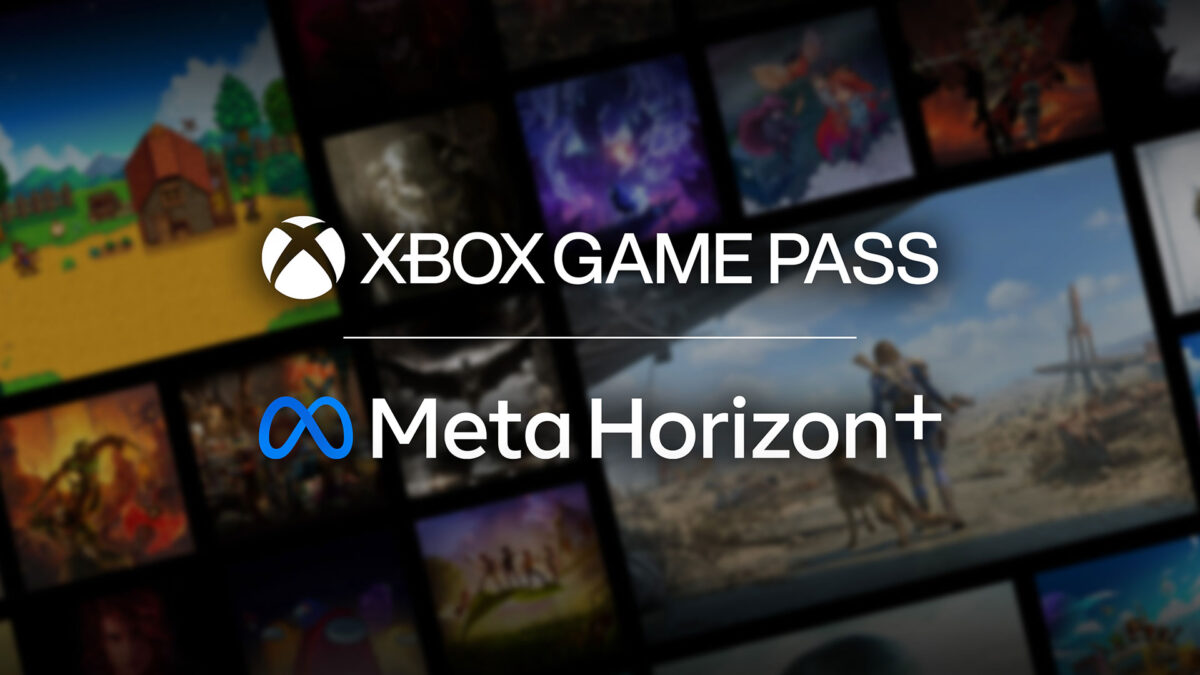
Xbox and Meta have spent years quietly building bridges between their ecosystems, and the latest one is the most concrete yet. Starting July 21, 2026, eligible Meta Horizon+ subscribers receive a starter edition of Xbox Game Pass as part of their membership — a bundle that puts 50-plus games, ten hours of cloud gaming each month, and Xbox Rewards into the hands of people who bought in for VR (Xbox Wire).
It is a notable expansion of a relationship that already let players stream Xbox titles to Meta Quest headsets. Now the value is baked into the subscription itself rather than requiring a separate Game Pass plan.
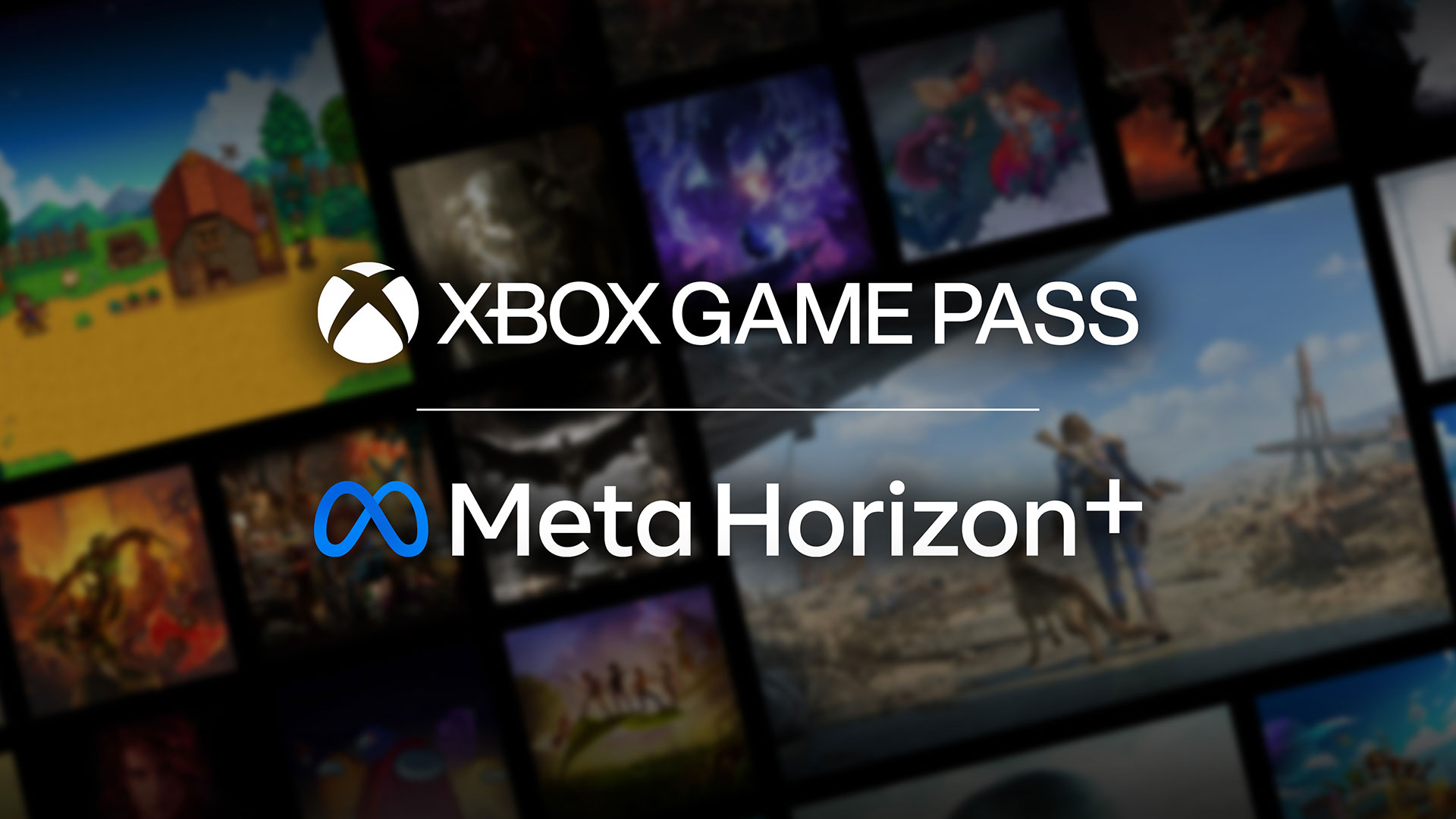
Image: Xbox
What Horizon+ subscribers actually get
The starter edition is not the full Game Pass Ultimate library, but it is a substantial one. Microsoft says the included catalog spans AAA hits and indie favorites, and named several titles in the launch lineup: Bethesda’s post-apocalyptic open-world RPGs Fallout 4 and Fallout 76, the co-op cooking chaos of Overcooked 2 from Ghost Town Games, Obsidian’s backyard survival game Grounded, Bohemia Interactive’s brutal multiplayer zombie title DayZ, the dwarven space-mining co-op Deep Rock Galactic, and the extreme-environment truck simulator SnowRunner.
On top of the library, subscribers get ten hours of cloud gaming per month and Rewards for playing. That cloud allowance is the part worth watching: it is a measured taste of streaming rather than unlimited access, which keeps the offer positioned as a discovery tier rather than a replacement for a standalone Game Pass subscription.
The pricing context
Meta Horizon+ itself runs $59.99 USD per year or $7.99 USD per month (Meta). Layering a Game Pass starter tier on top of that subscription changes the math for someone already paying for Horizon+ on a Quest device, since the Xbox content arrives without an additional Game Pass line item. Microsoft has the full details on how the benefit is claimed on its own help pages (Meta Horizon+).
For Meta, the move strengthens the case for Horizon+ as more than a VR content pass. For Xbox, it is another distribution front for Game Pass at a moment when the service’s growth depends on meeting players wherever they already are — TVs, browsers, handhelds, and now a VR subscription.
Why this fits the longer arc
The Xbox-Meta link did not start here. For years the two companies have teamed up to make it easier to play Xbox games across more devices, including existing access to Xbox and Game Pass on Meta Quest hardware. What changed this week is that the benefit is no longer a side door opened from the Quest store; it is a stated perk of the Horizon+ membership, framed as “another way to discover and play with Game Pass.”
That distinction matters. A discovery tier attached to a non-gaming subscription is a customer-acquisition play. Someone who subscribes to Horizon+ for VR content and finds a ten-hour cloud gaming allowance included may convert into a full Game Pass subscriber once those hours run out — exactly the funnel Microsoft has been building across every device it can reach.
What it means for players
For players, the practical upside is straightforward: if you already pay for Horizon+, you now have a rotating set of console-quality games to stream without opening another checkout flow. The ten-hour monthly cloud cap is the obvious limitation, but it is enough to sample titles like Grounded or Deep Rock Galactic and decide whether a full subscription is worth it.
There is also a quiet convenience win for households. A Horizon+ member can hand a child or partner a headset or a browser and let them explore Fallout or SnowRunner through the cloud, no console required. That lowers the friction of trying Game Pass for people who live outside the traditional Xbox ecosystem.
The bigger subscription war
Game Pass has spent 2026 pushing into every screen it can reach, and this partnership is a reminder that the platform war is now as much about distribution deals as about exclusive titles. Tying a starter tier to a popular VR subscription puts Xbox in front of an audience that might never have considered a controller-and-console setup, and it does so at Meta’s customer-acquisition cost rather than Microsoft’s.
Whether the starter tier converts meaningfully into full subscriptions will depend on how compelling the rotating library stays and whether ten cloud hours a month feels like a tease or a genuine taste. But the direction is clear: Game Pass is no longer just a thing you buy on an Xbox. It is becoming something that shows up inside the other subscriptions you already own.